



The Category-5 Concept
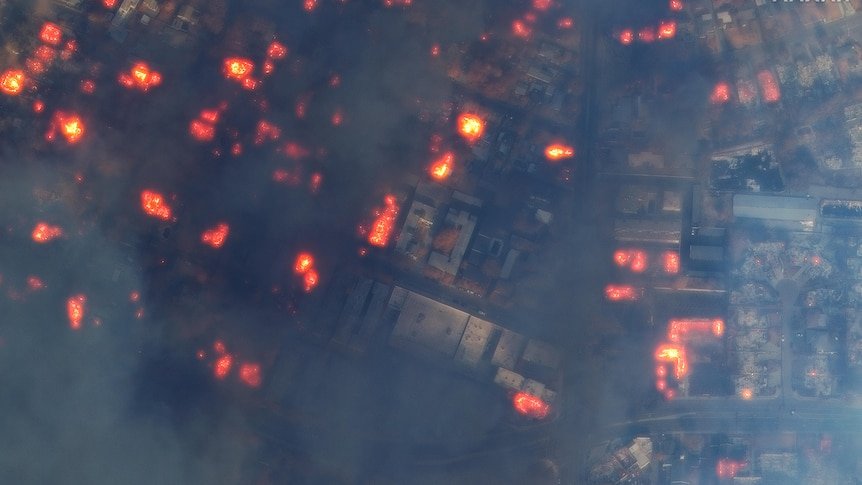
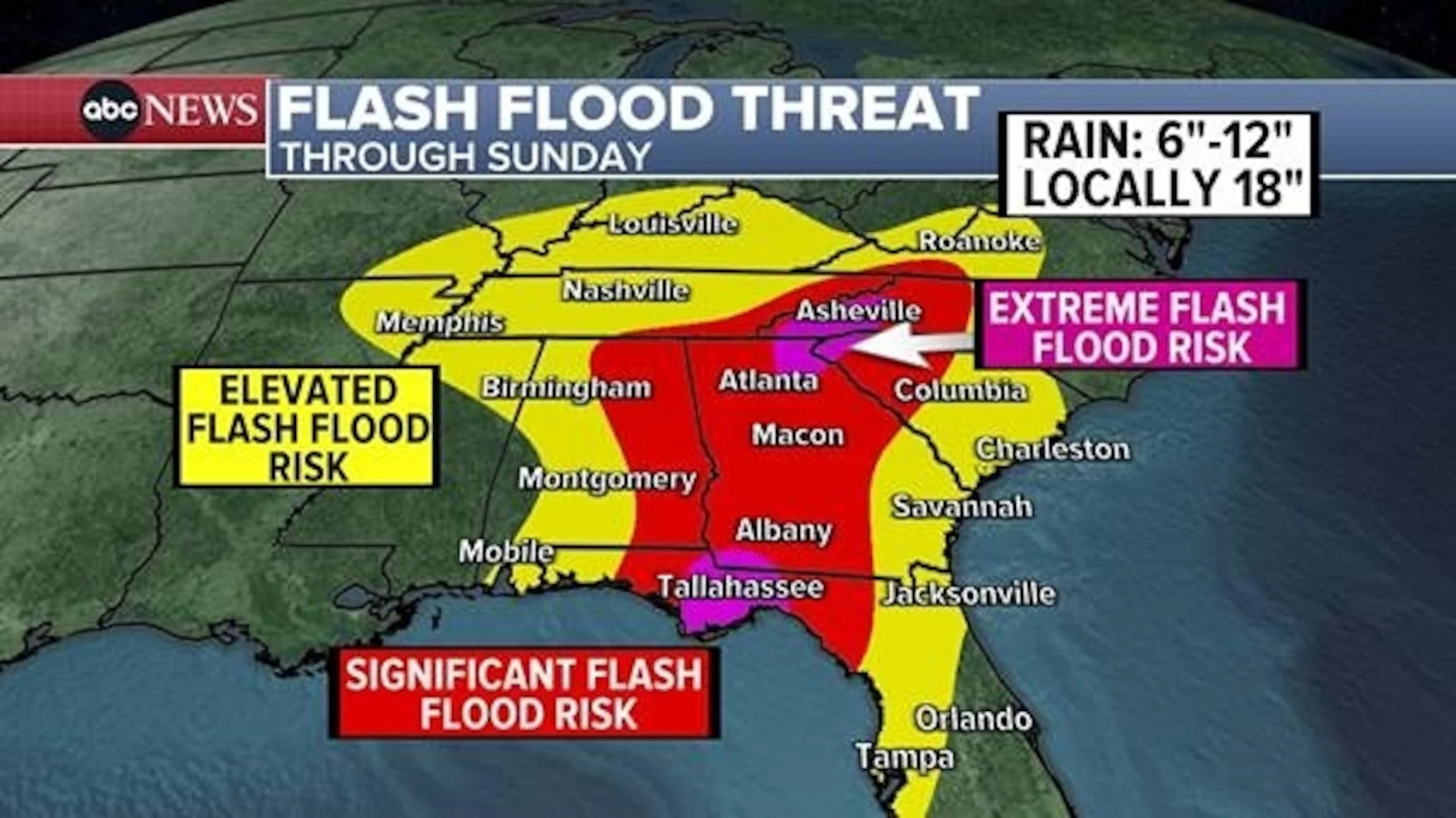
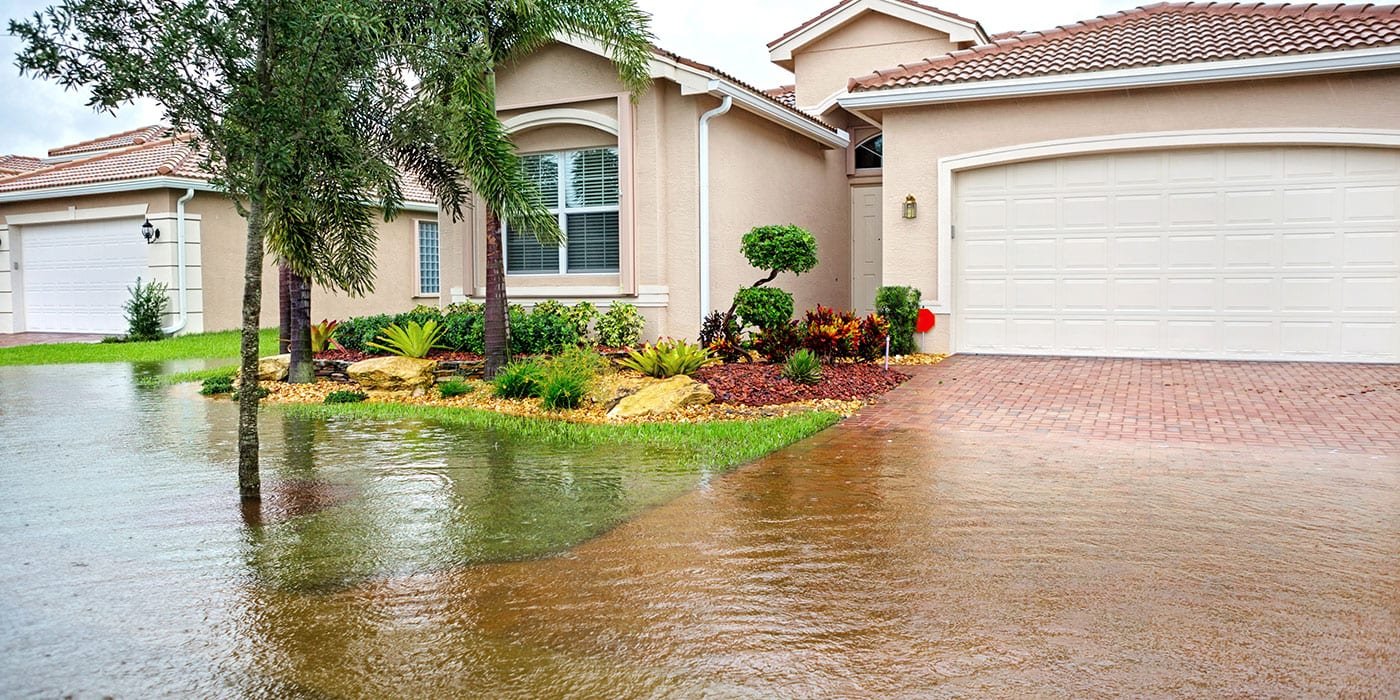
Storms are big, temperatures high, floods deep, and drought-fueled fires devastate towns and cities. Worse, these conditions now often compound each other, multiplying their impacts.
Because tackling them has stalled, and their effects are local and specific, individuals are turning to the protection of a sturdy, resilient home. Category-5 supports these decisions with a system aimed at more than survival - it’s designed for comfort and beauty, as well as peace of mind.
Category-5 has an Answer
Section by Section, these pages lay out Category-5’s response:
CONCEPT describes the origins and goals of our project
DESIGN spells out the core principles of home climate defense and offers examples of climate defense houses for purchase on a fast time line.
CASES shows examples of our system responding to client needs
COMPARE gauges our system against conventional construction, showing its superior efficiency, durability and safety
Process & Notes presents information about our process, specifications, and notes on subjects like managed retreat for communities facing unmanageable threats (Cat-5 Communities)
Our project grew out of Houston’s direct experiences with Hurricanes Alicia, Rita, Ike, Harvey, and Beryl, and storms like Allison, which taught us that climate security can be built at a relatively fast pace and reasonable cost. We combine well-known methods in new ways for greater strength, durability and survivability — more than any other type. To date, we’ve completed dozens of buildings for owners in locations from Colorado to Louisiana.
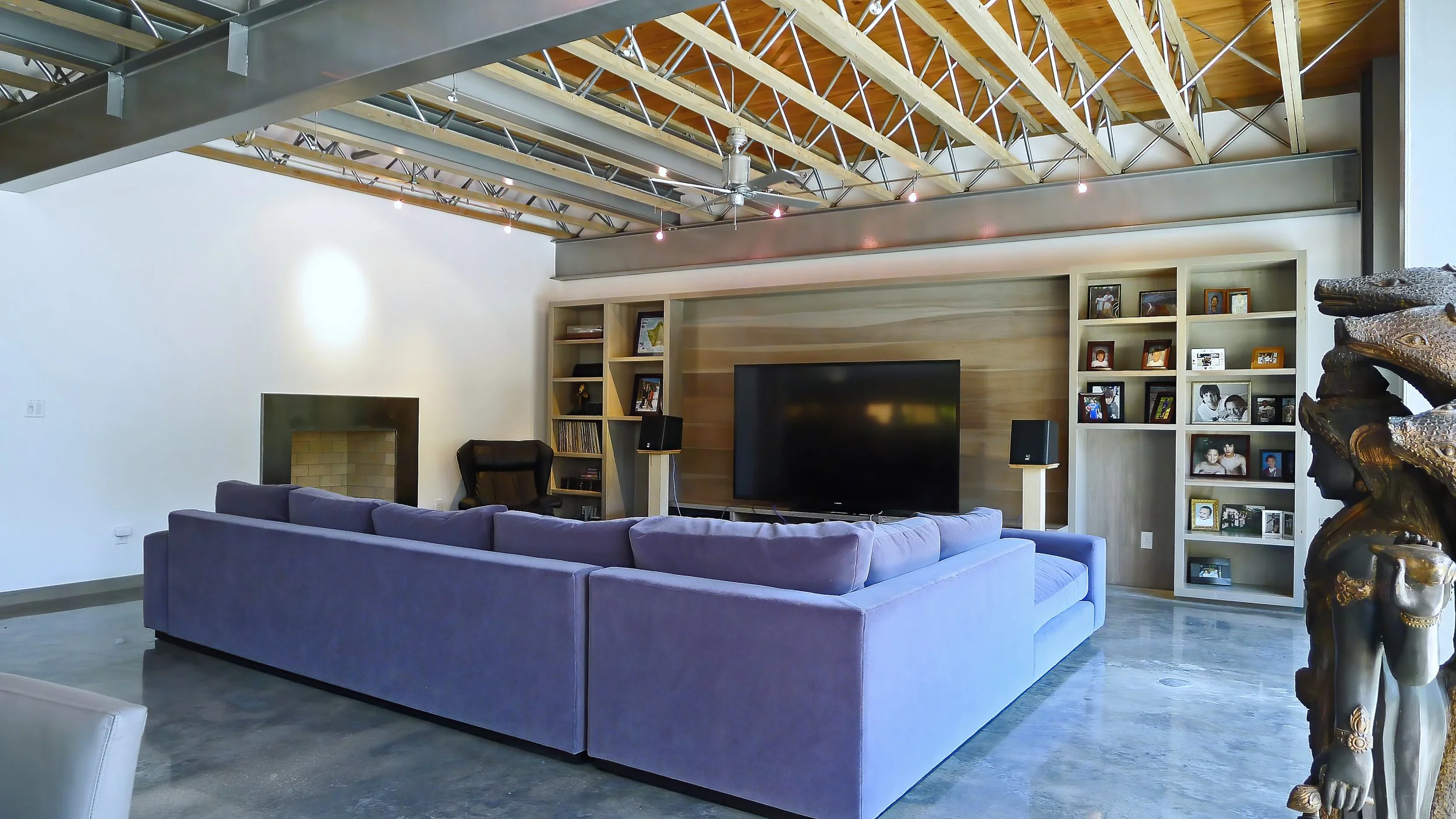
The goal is to build new, climate-secure homes to meet virtually any need. We'll specify and design the structure, and coordinate the purchase and delivery of its parts. Inside it, you can install... well, whatever you want. And we can assist with that part too.



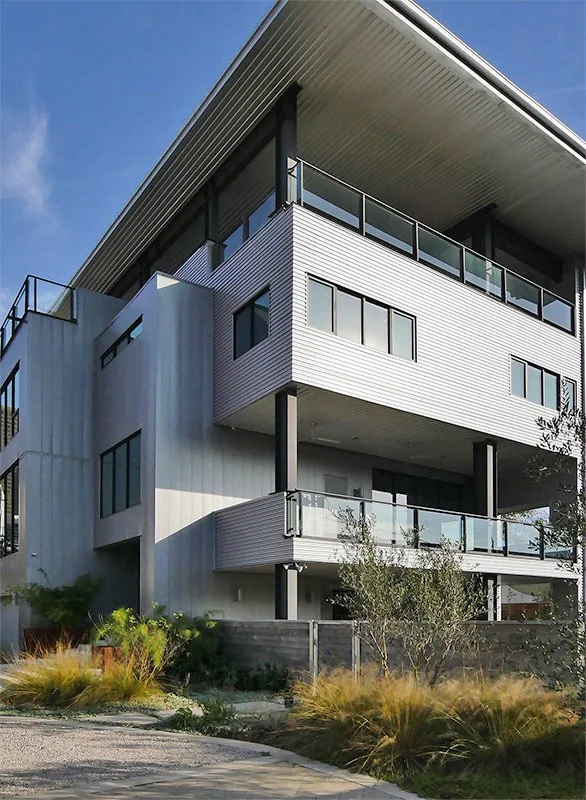
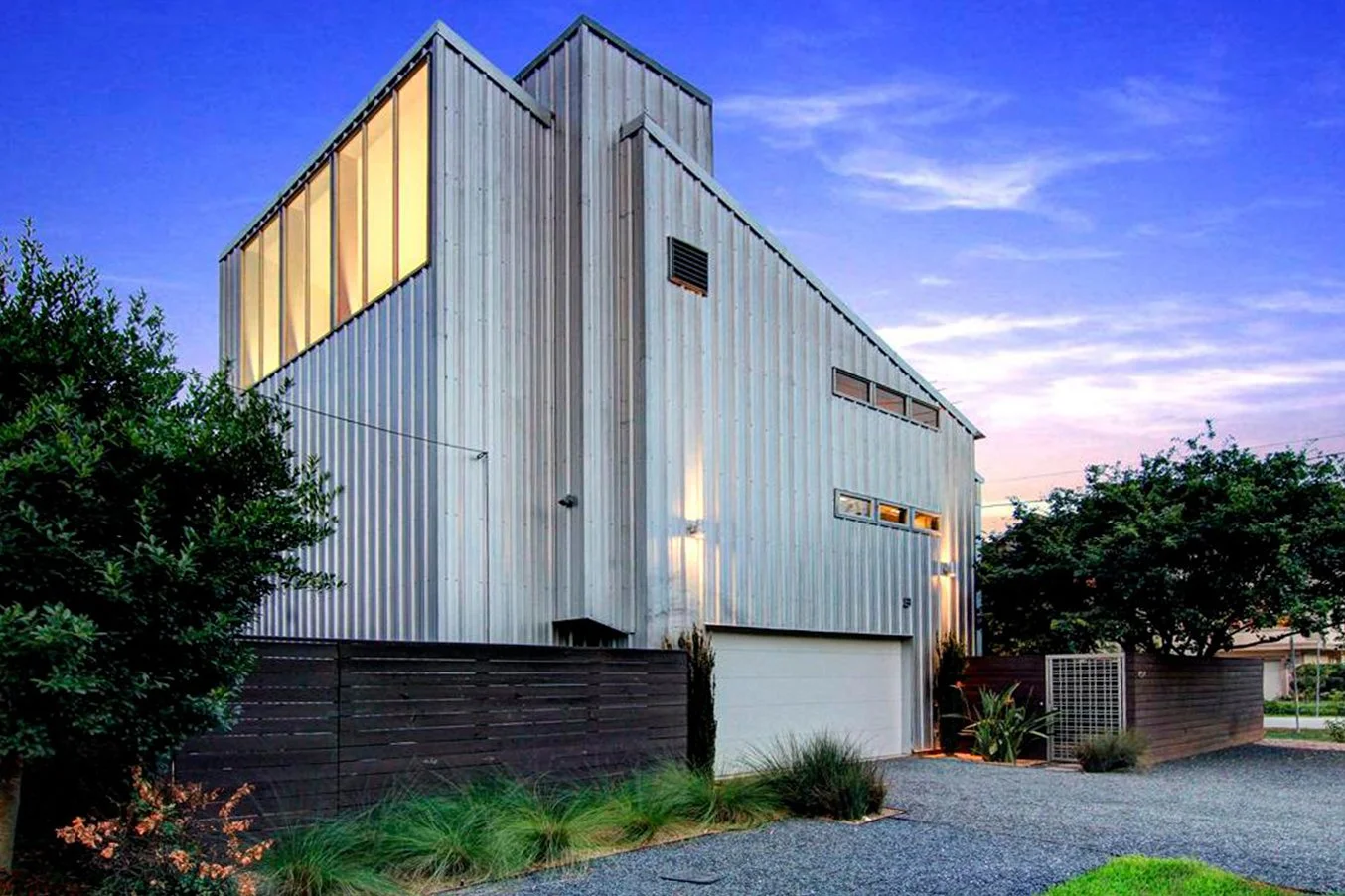

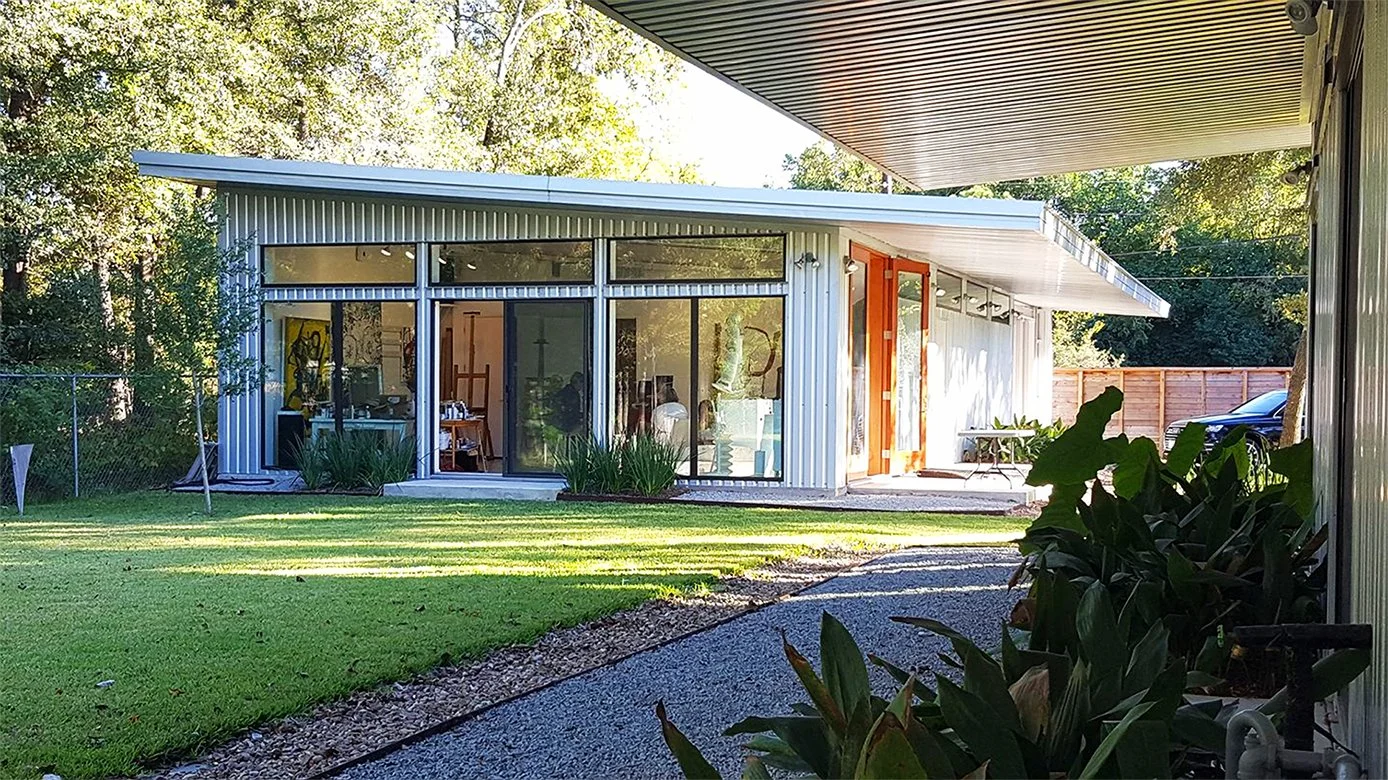
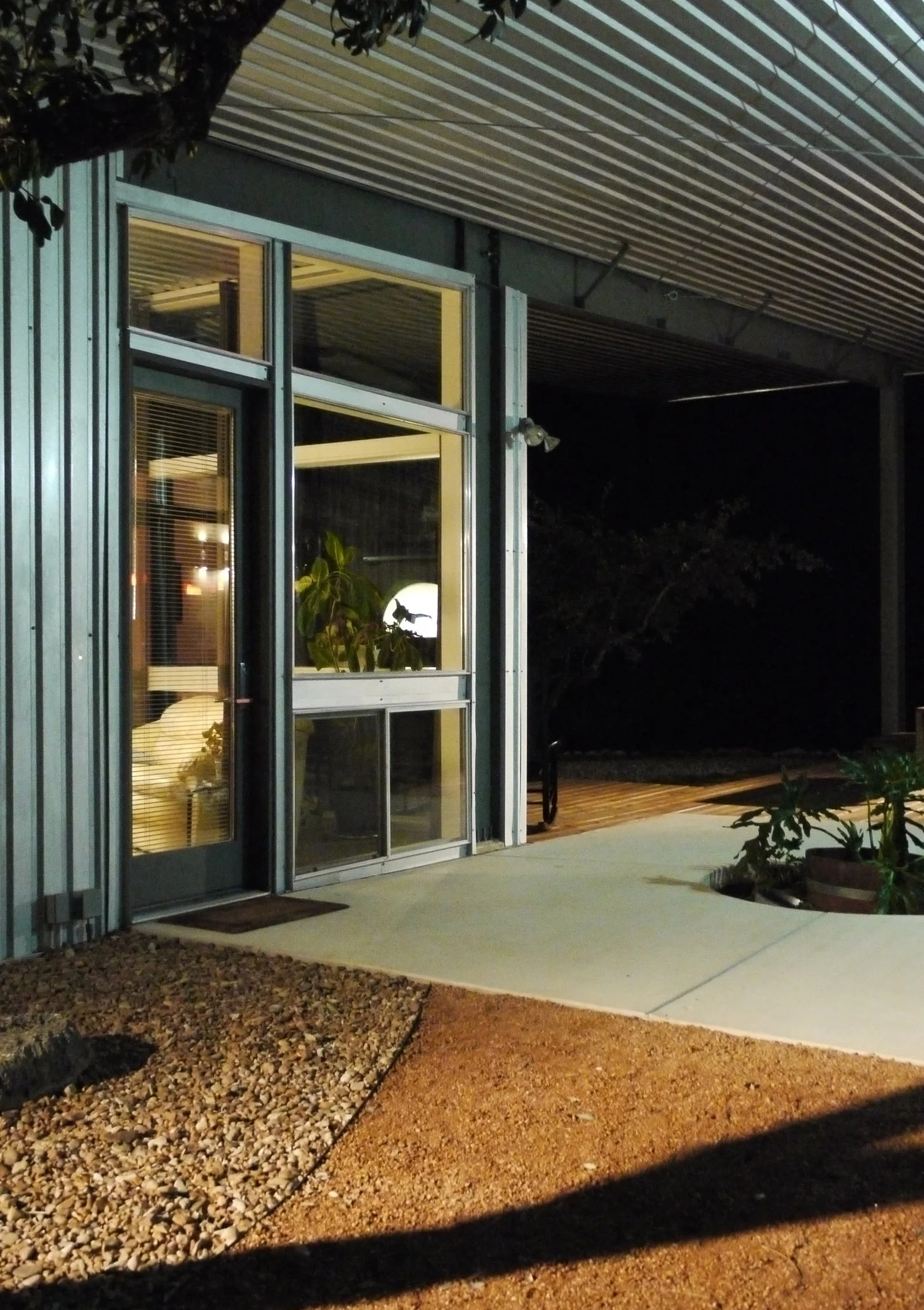

Category-5 is Keyed to Critical Goals
Work on any project starts with understanding the site. We begin with reviews of owner requirements and research into everything from plantings to storm history and FEMA reports — and more. We also focus on historical patterns of climate threats. From there, we develop an action plan to address all the factors impacting the proposed building.
The approach is exhaustive and detailed, with unique results for each site. However, we find a few requirements repeatedly stand out:
SAFETY IN STRENGTH
Structures need to outmatch strong winds — even up to Category-5 on the Saffir-Simpson Scale (=157 mph)
SAFETY IN ELEVATION
Homes must be sited and designed to ride above floods — Cat-5s are typically raised 48-60” above grade
PROTECTION FROM HEAT AND COLD
Insulation must protect from the frigid winters, hot summers and volatility of modern weather — Category-5 provides twice the insulation required by code
DURABILITY
Envelopes must resist fire and decay, and be fabricated from durable, warranted materials
SUSTAINABILITY
Materials with high embodied carbon should be reduced or eliminated
Designs should prioritize solar, wind and rainfall harvests (and storage)


Design


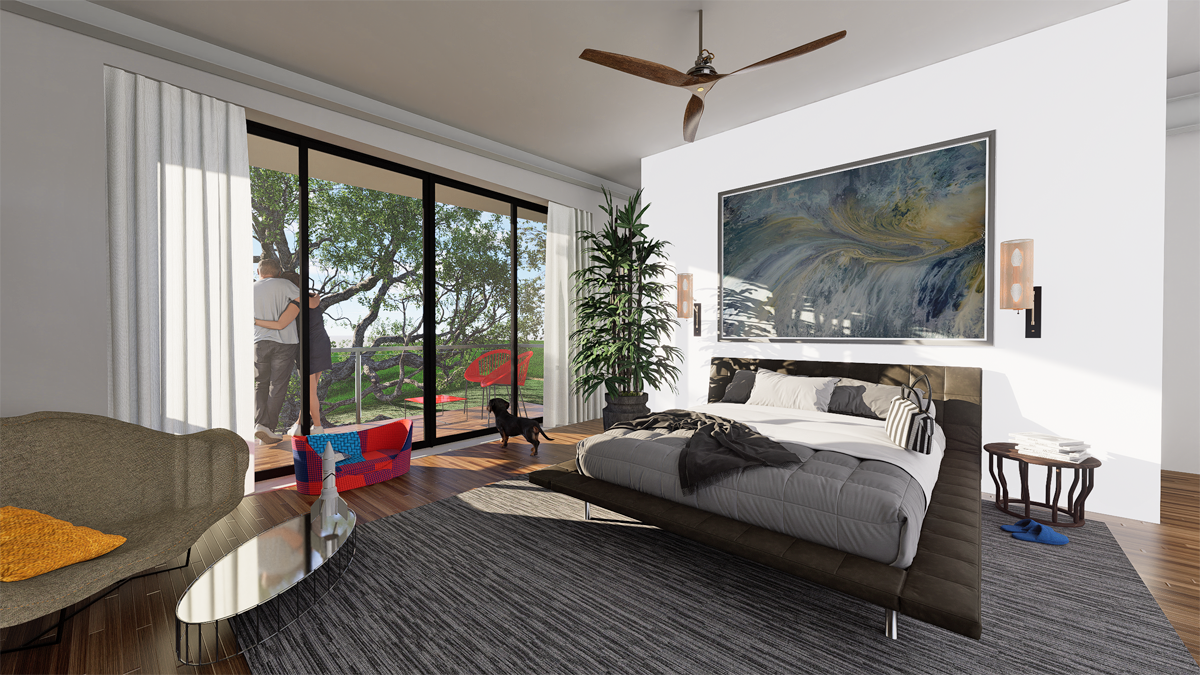
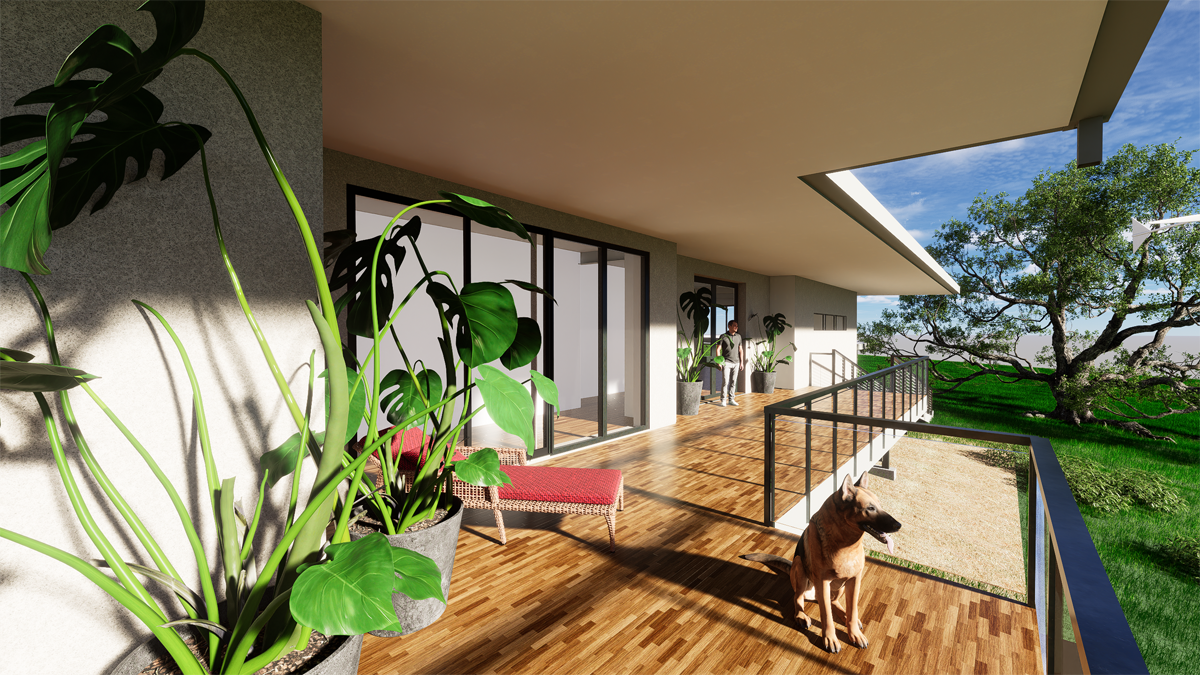
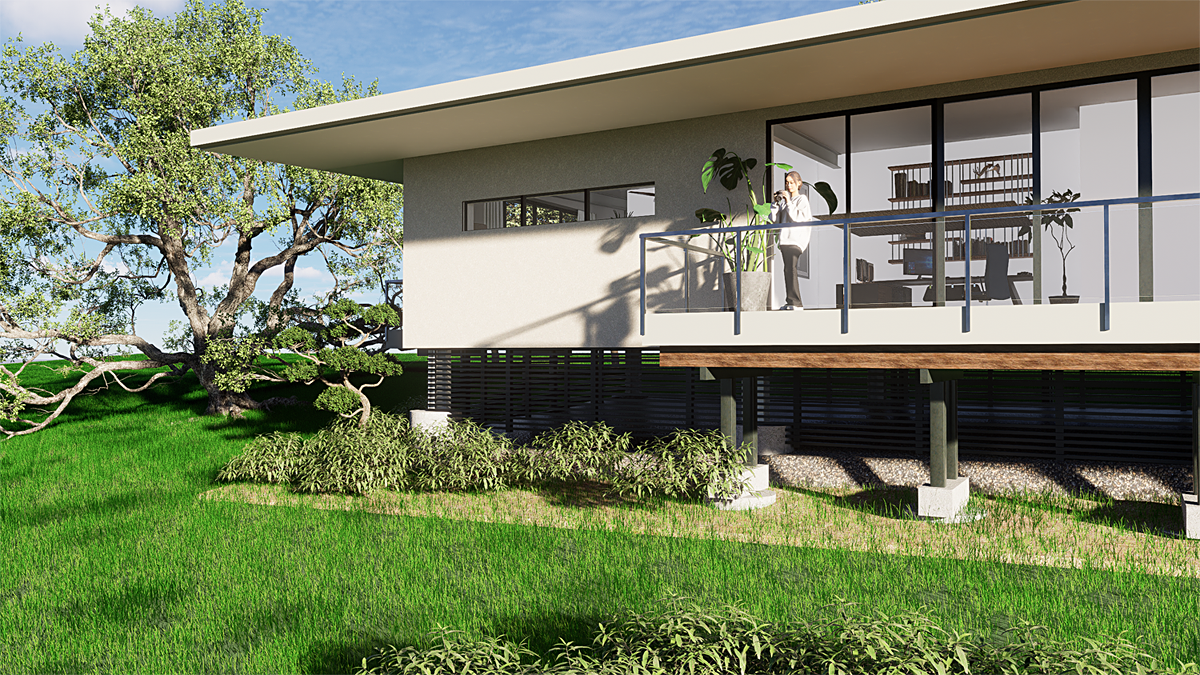
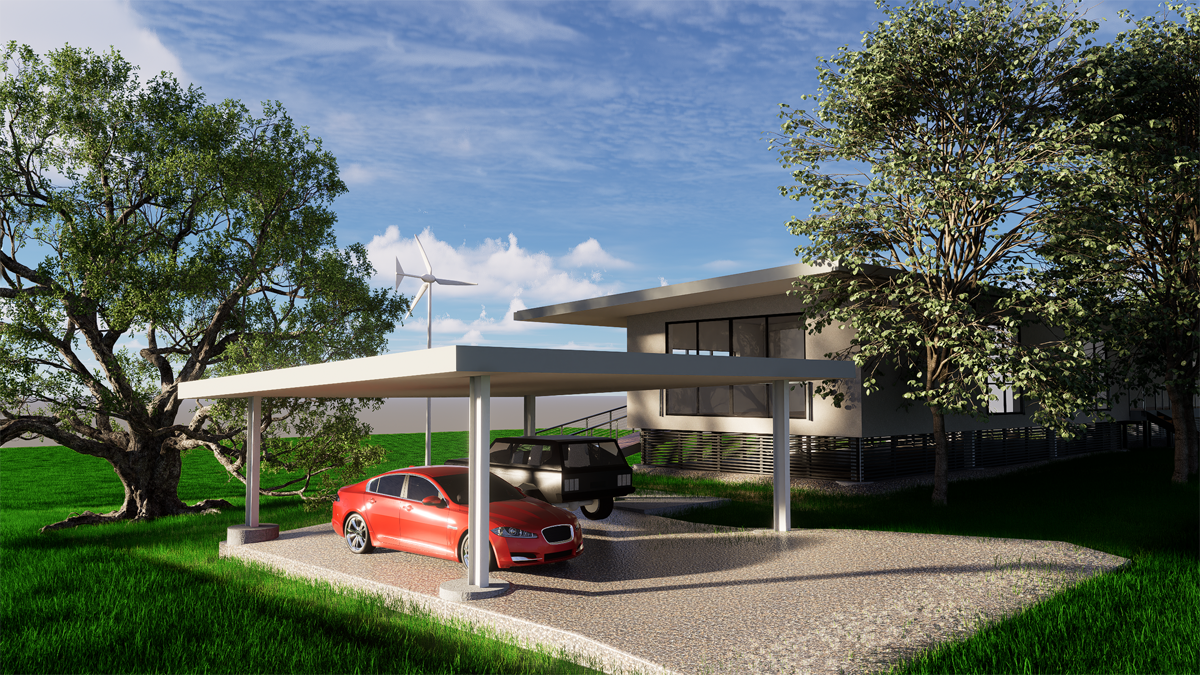


Category-5 Answers Modern Weather
Conservative engineering counters strong winds
Extreme insulation and site-adapted roofs block high temperatures and harness cooling breezes
Elevation to 60”+ protects from high water
Specialty details enhance fire resistance and systematic risks
Warranteed-durable materials assure permanence, durability and storm resistance
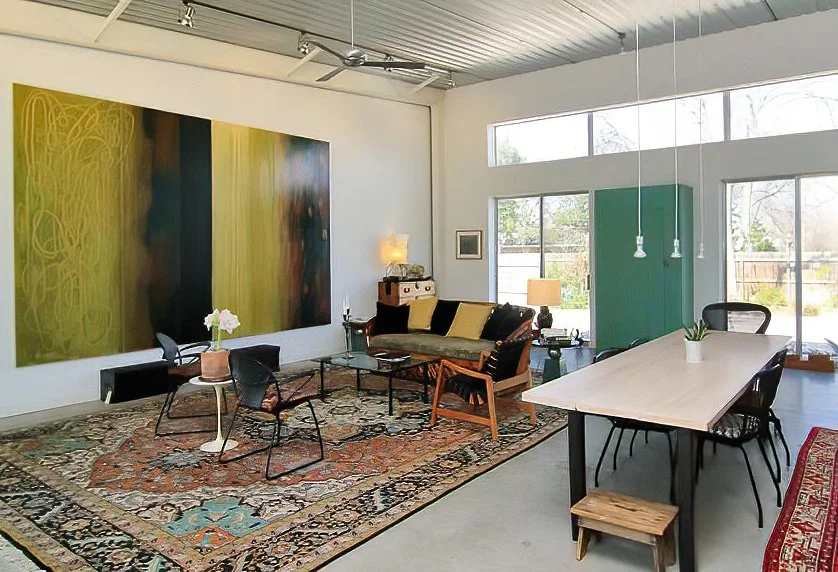
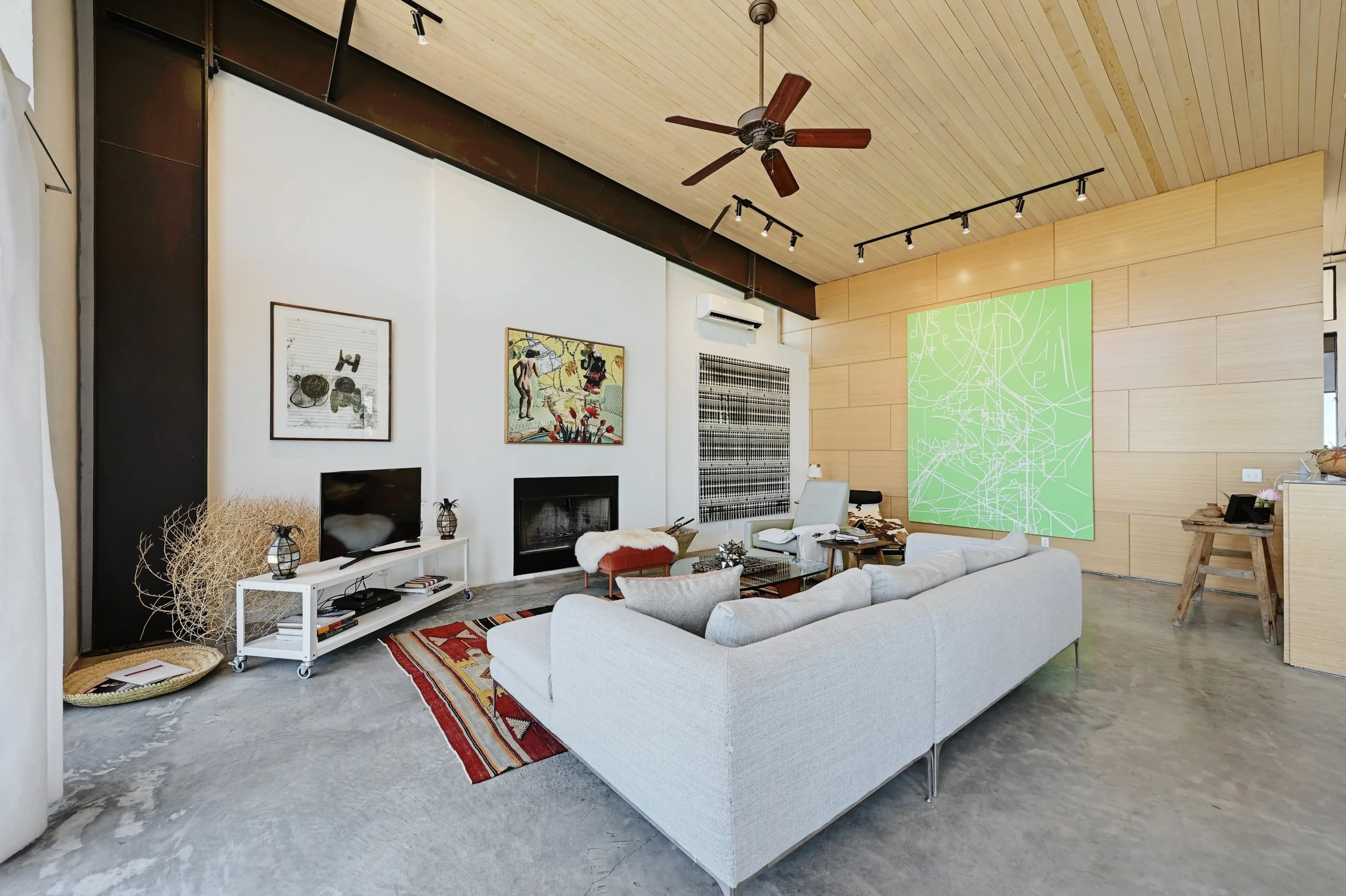
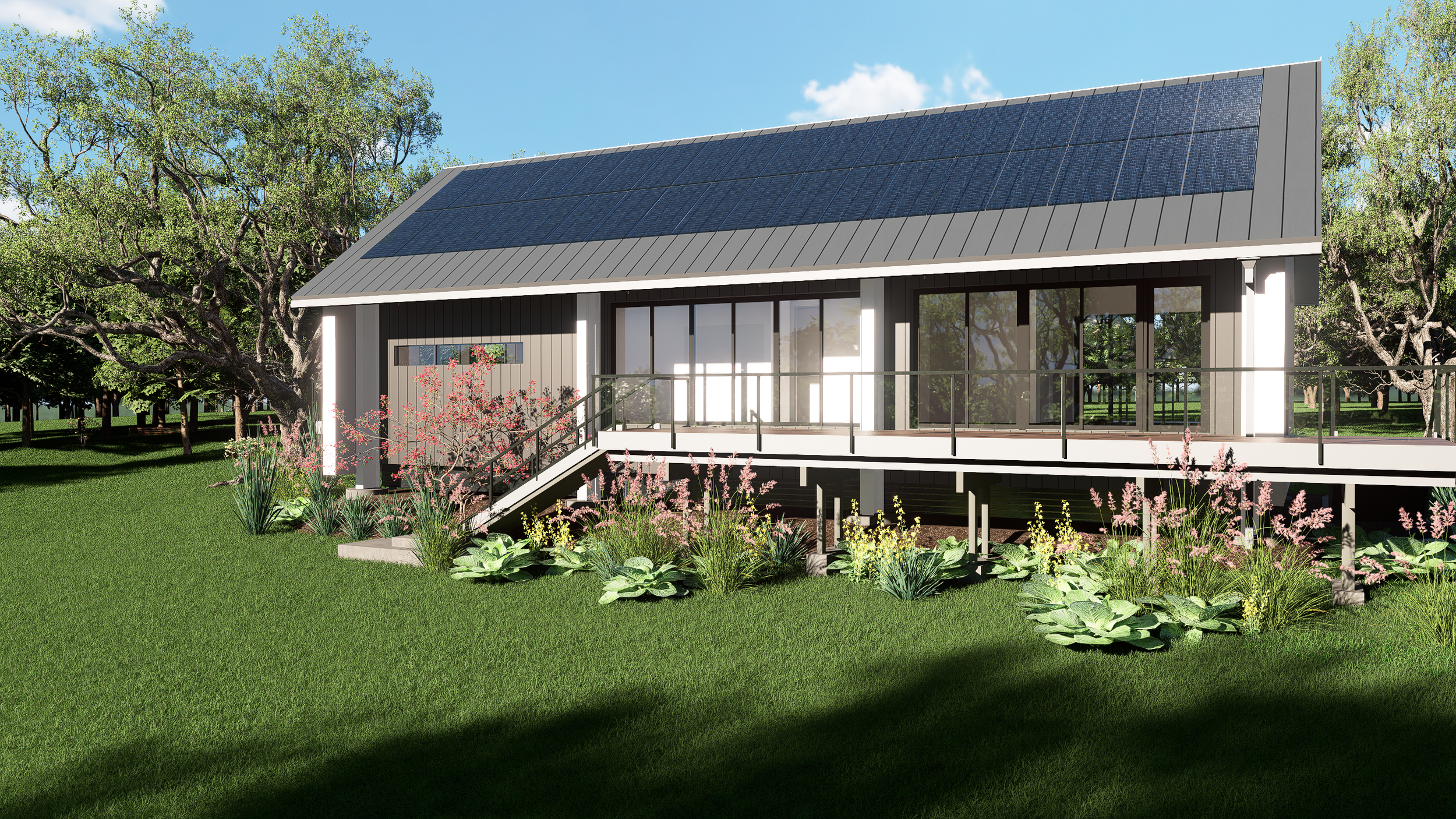
The Coastal and Iconic models shown below can be adapted to virtually any requirement or site. The Iconic option can be quickly scaled in 600 sf increments from 1200 sf to 3600 sf or more, with equally fast pricing and engineering to follow. Category-5 also offers minimalist shell solutions through our "Ecoloft" concept, featuring spacious, flexible open plan layouts.
Additionally, in response to interest in relocating communities away from dangerous watercourses and rising tides, our Communities initiative is developing new approaches to managed retreat. Reports on our progress will be posted to the Process & Notes section (see navigation bar).
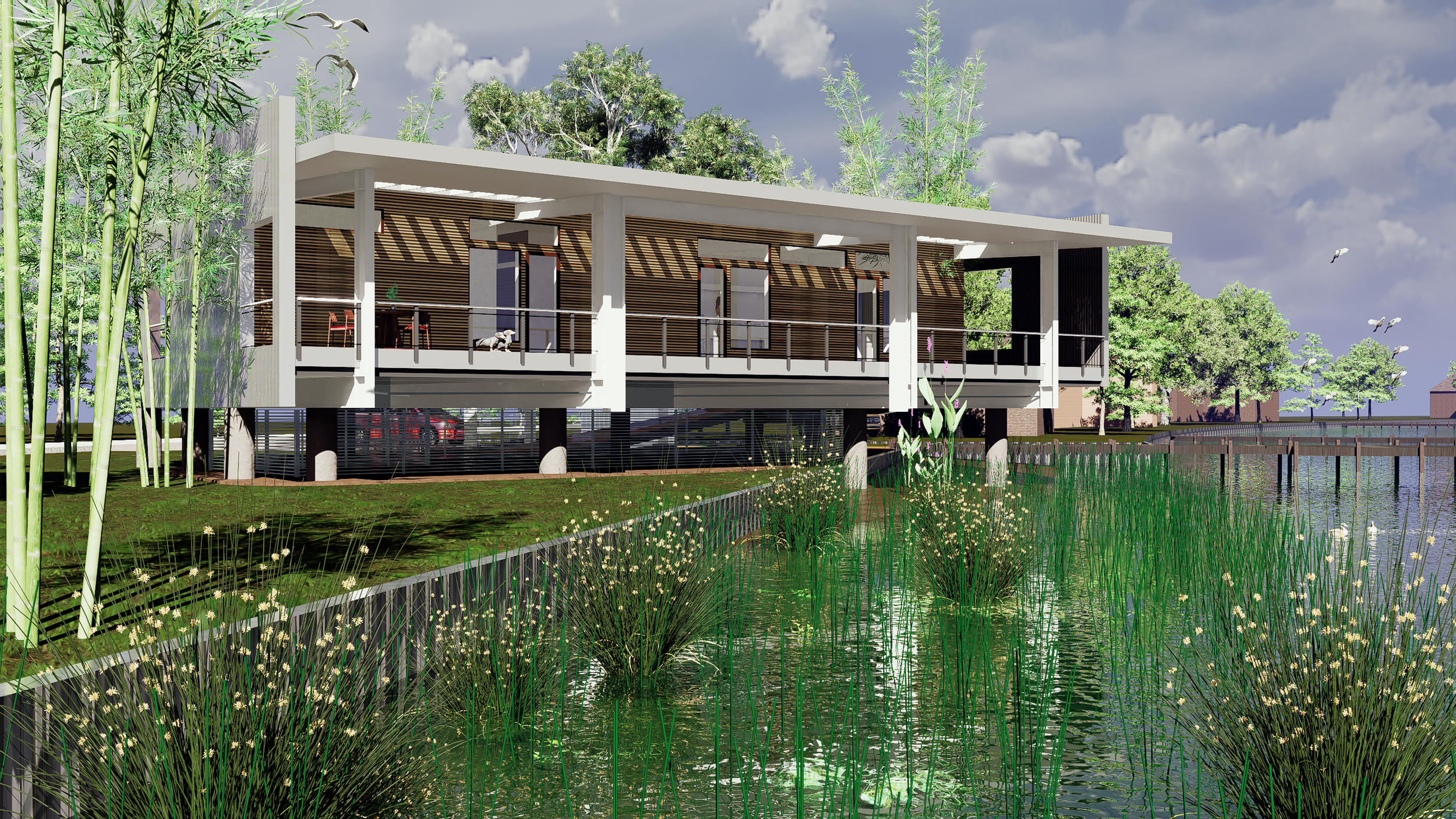
COASTAL: 2 bedrooms, 2,400-4,800+ sf
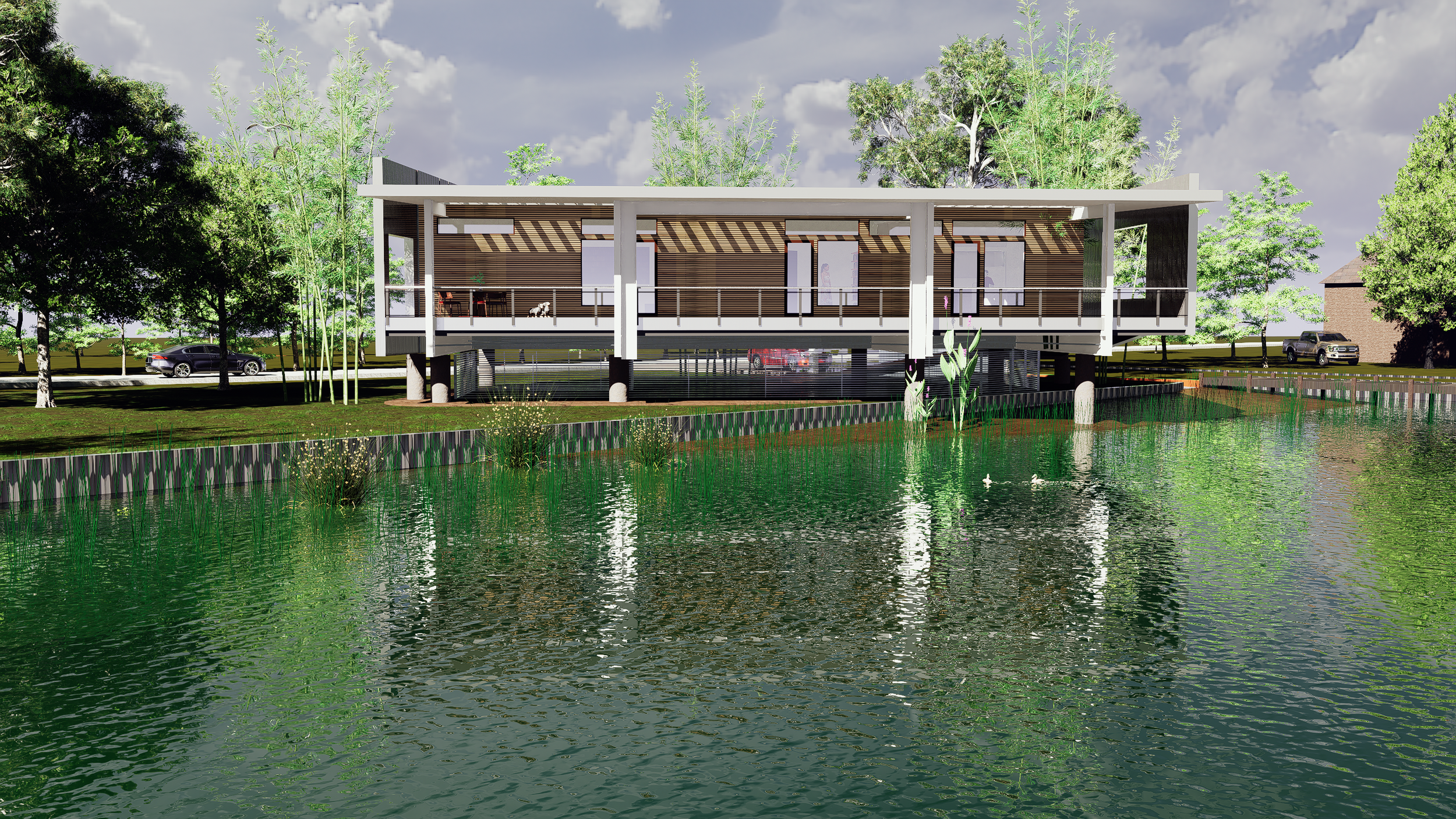
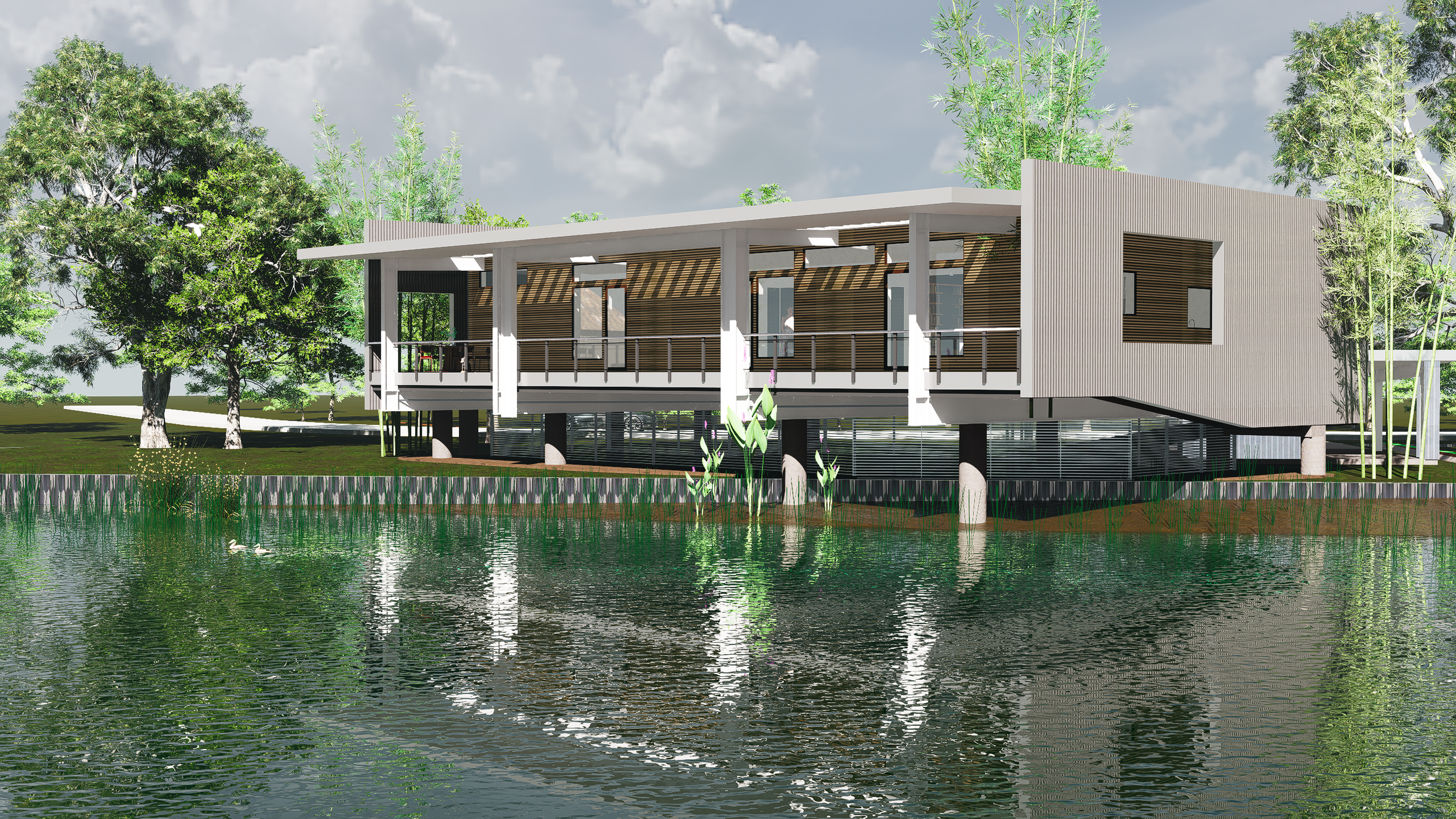
Storm and Flood Resistant
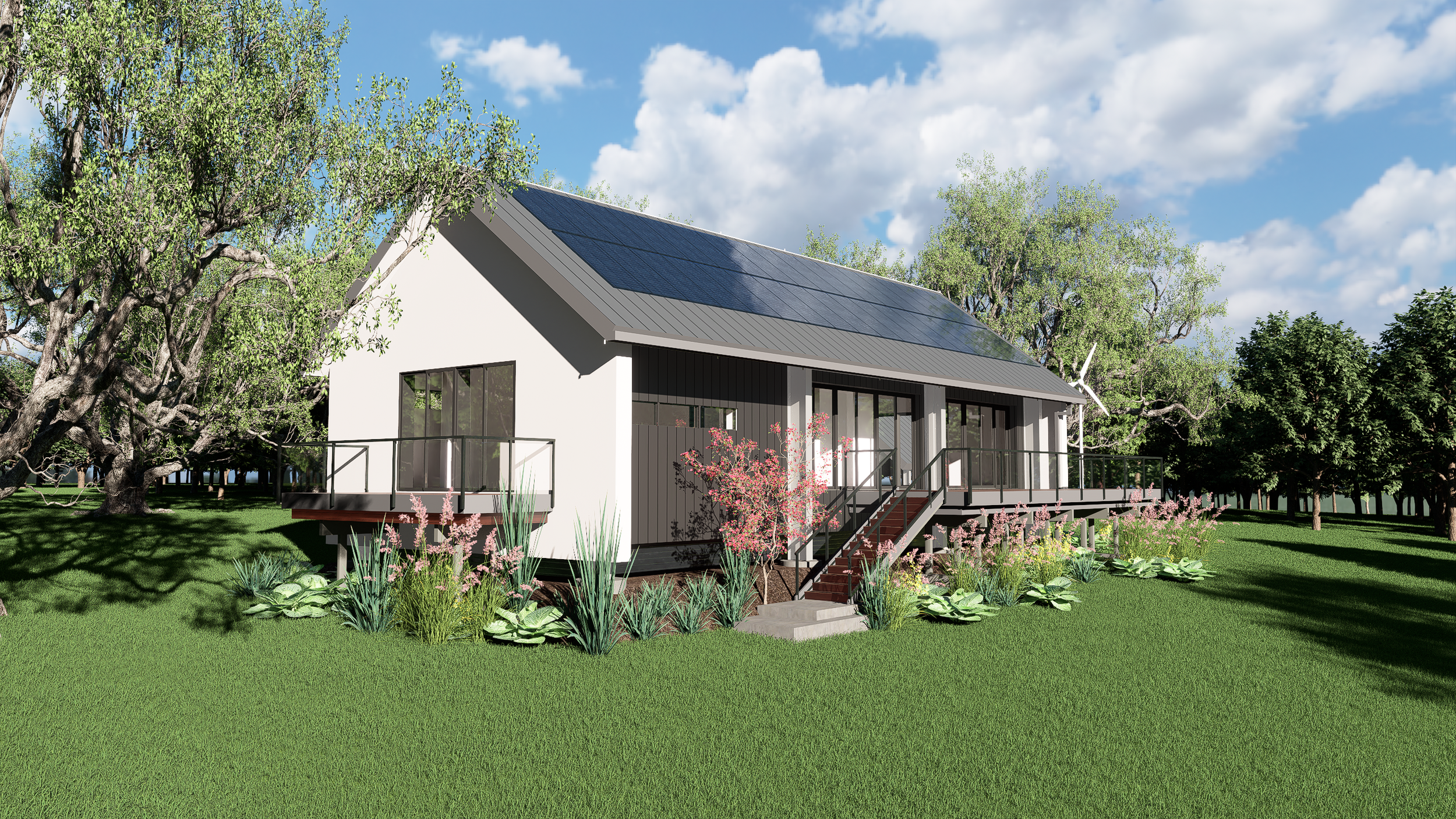
ICONIC: 2 bedrooms + loft, 1,800-3,600+ sf
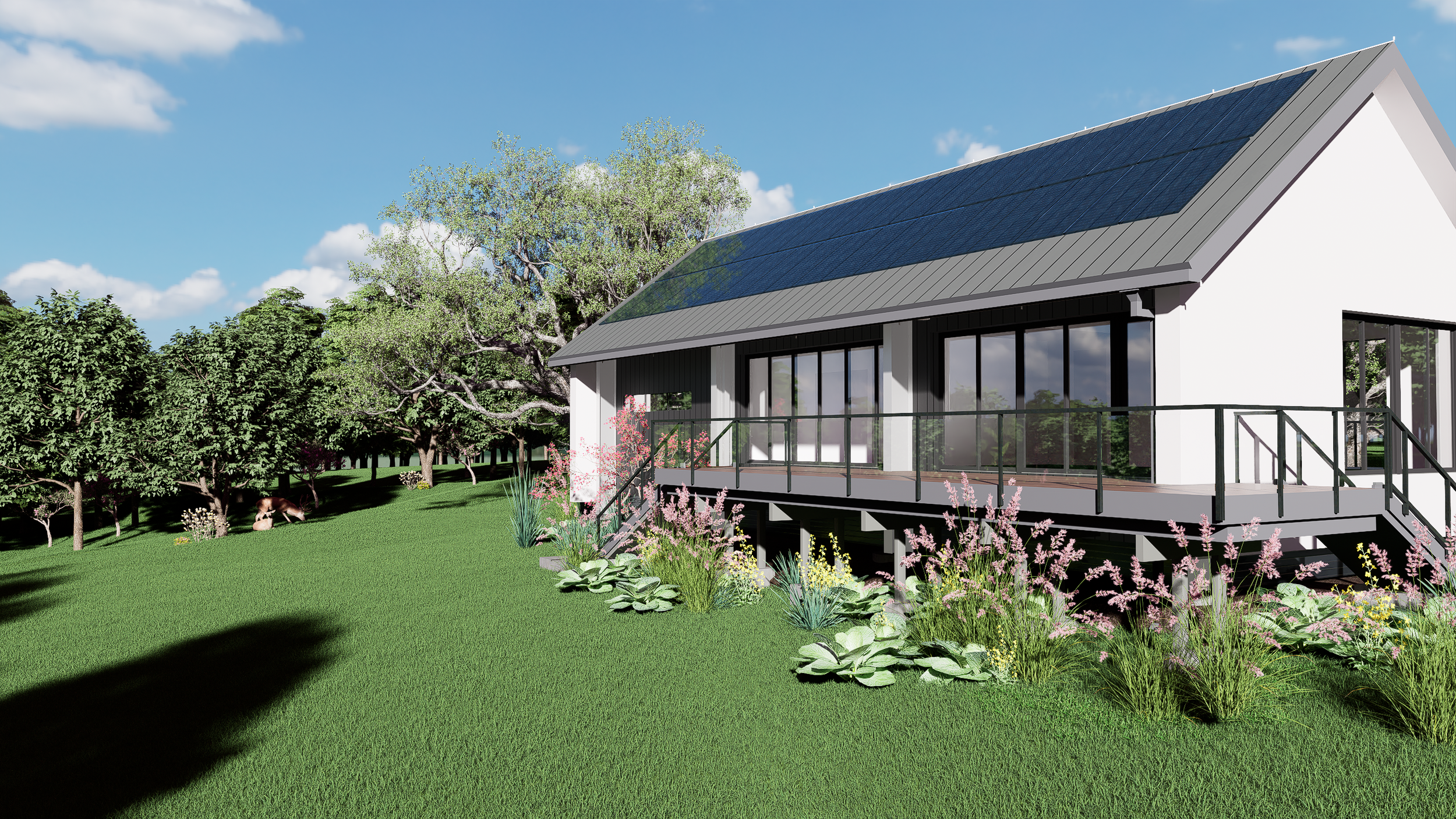
Fire and Flood Resistant
Cases: Three Challenges, Three Solutions
Category-5s have been designed for states from Colorado to Georgia. Each represents a unique collaboration between owners, engineers and contractors.
The projects pictured here show some of the possibilities available with the Category-5 system, from loft style live-work dwellings to prestige custom and middle income dwellings. They’ve been selected to show how our buildings fit comfortably into conventional neighborhoods, urban settings and remote locations.
Case #1: Hyacinth
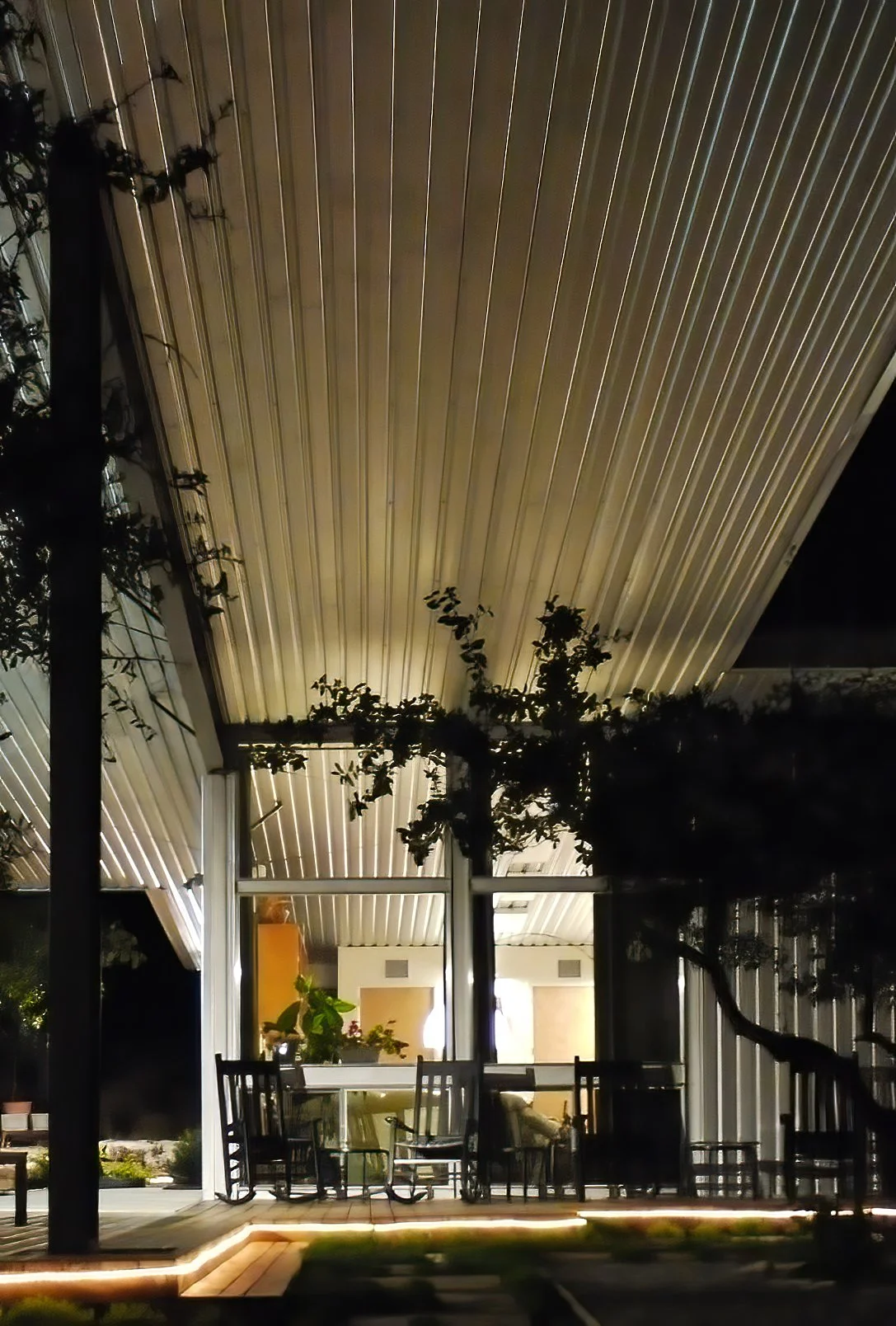
“Hyacinth,” located in Houston, embodies key aspects of the Cat5 system: Strength, Elevation, Flexibility and Integration with Nature.
The building comprises an open, loft-style living-dining-kitchen, a customized art studio, and secluded sleeping quarters. The home is set in an expansive garden devoted to native plantings, with a large reservoir of harvested rainfall to fend off drought conditions and assist in cooling the building.
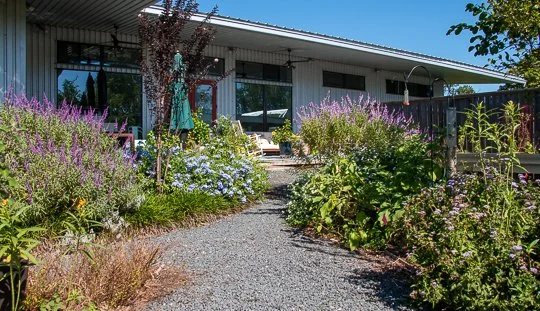
Hyacinth is oriented to capture breezes and collect rainfall needed by its native garden
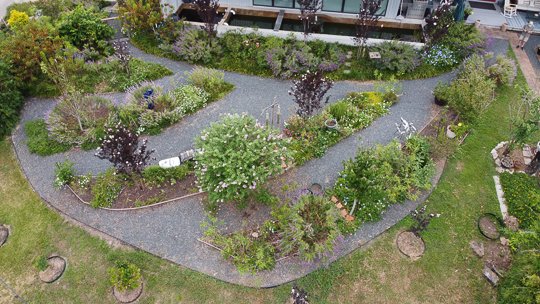
The garden promotes cooling airflows and calming views
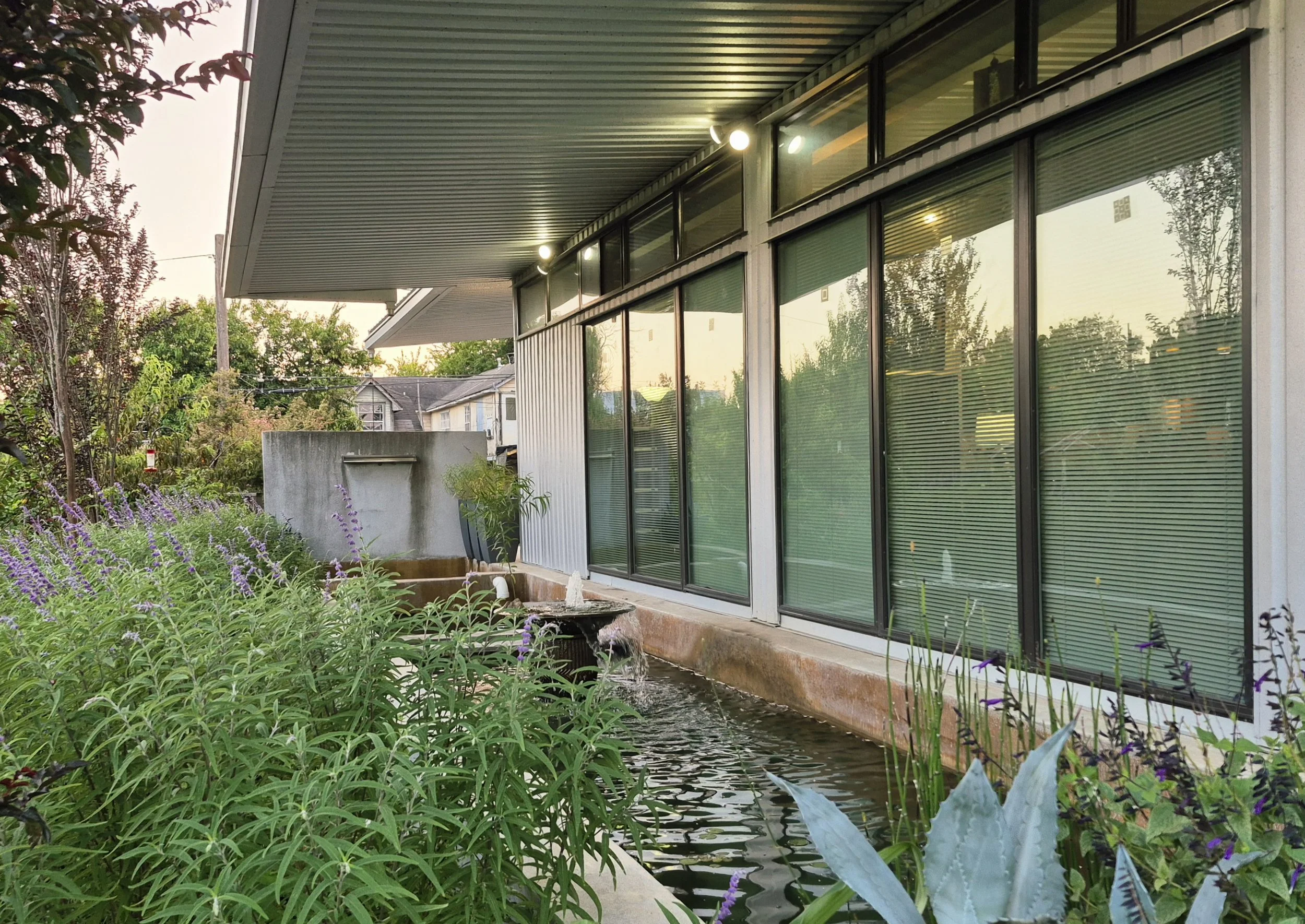
Massive roofs harvest rainfall, with storage below for garden irrigation and passive cooling
Hyacinth boasts a full range of Cat-5 features…
1. A "Storm Strong" steel frame designed for hurricane force winds
2. Elevation far above flood level, even though sited along a major watercourse
3. A loft-inspired interior plan balancing mutual privacy between living, studio and sleeping areas with the open layout of each
4. Integration with nature:
- Building orientation to enhance cooling airflows
- Roof design to maximize rainfall harvesting, plus a large reservoir for irrigation purposes and to cool the building
- Roof oriented to maximize the solar power potential
- Roof slope and overhangs (8 feet plus) designed for maximum shading and to leverage ambient airflows
- Massively insulated exterior walls
- Exterior finishes (wall and roof) made from fire resistive, warranteed-durable materials
- Integration with nature that extends far beyond simple solar and rainfall harvesting, toward a complementary relation between the dwelling and its environment
Case #2: Knox
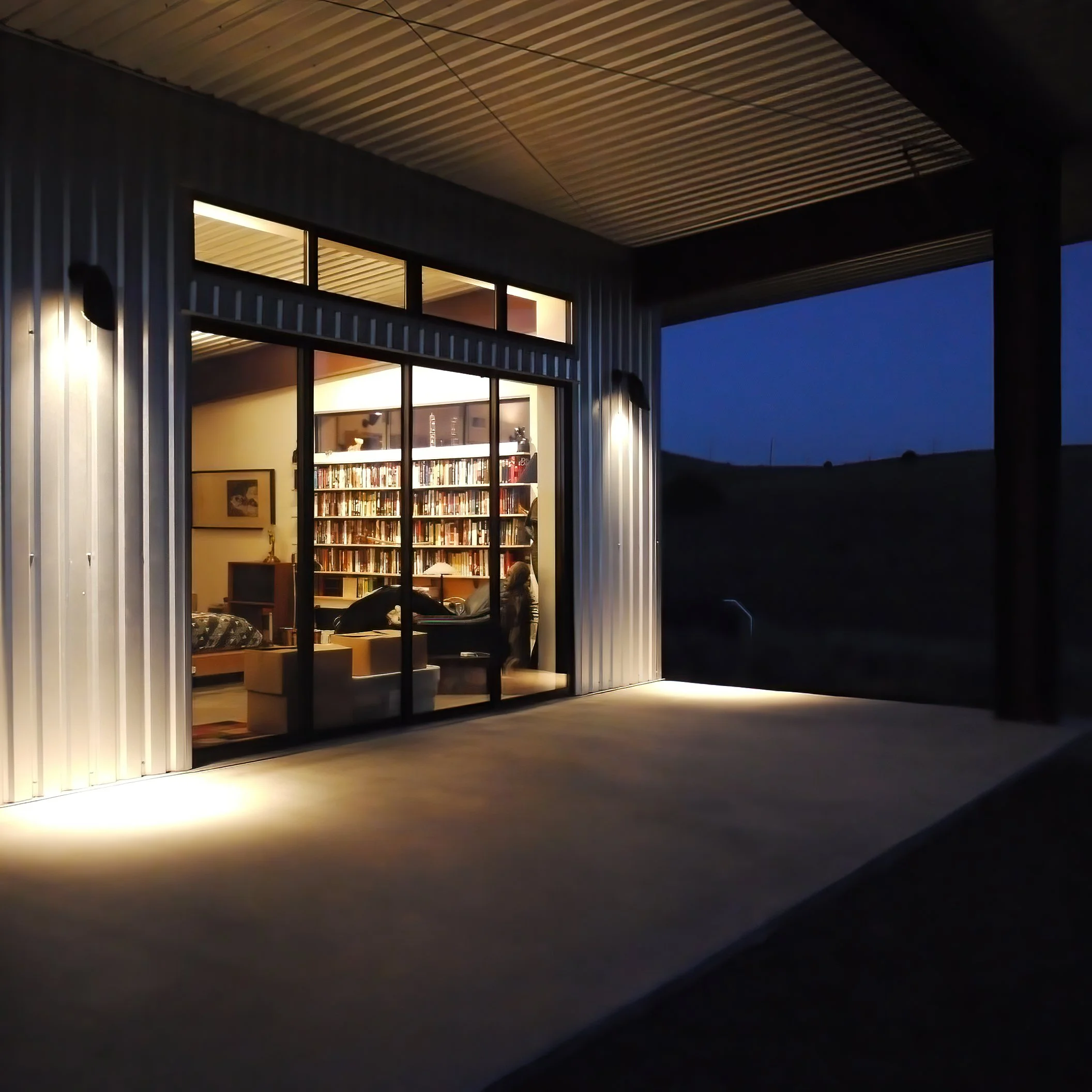
“Knox,” combines Category-5’s key values in a design of maximum Flexibility and Strength.
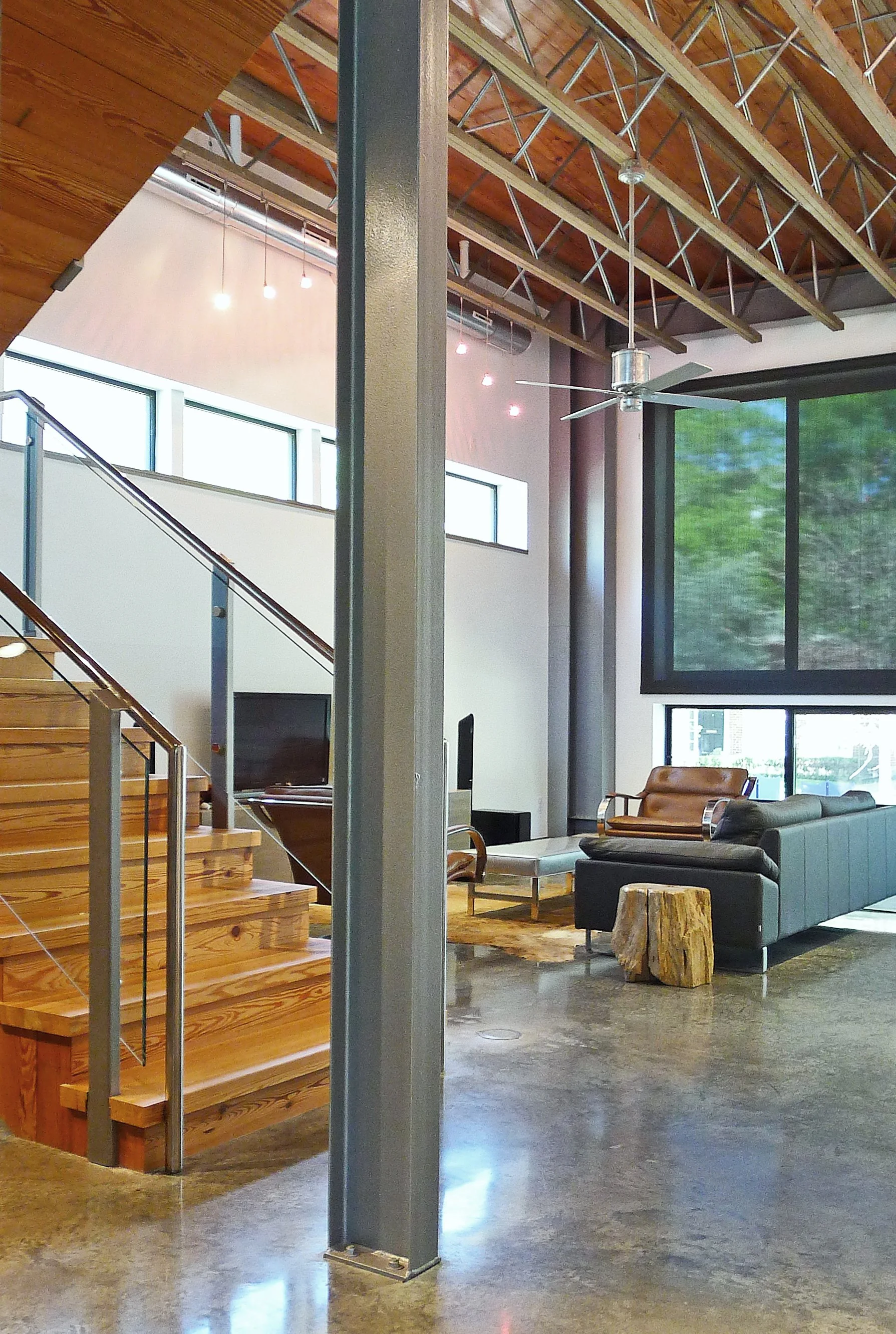
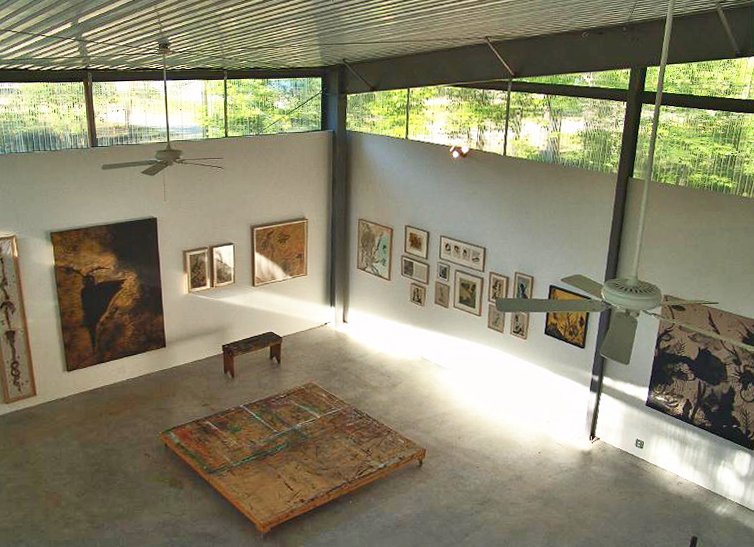
Knox’s long-span structure balances a loft-style residential plan with the studio and exhibition requirements of a professional art practice. It's both a family home and a working environment.
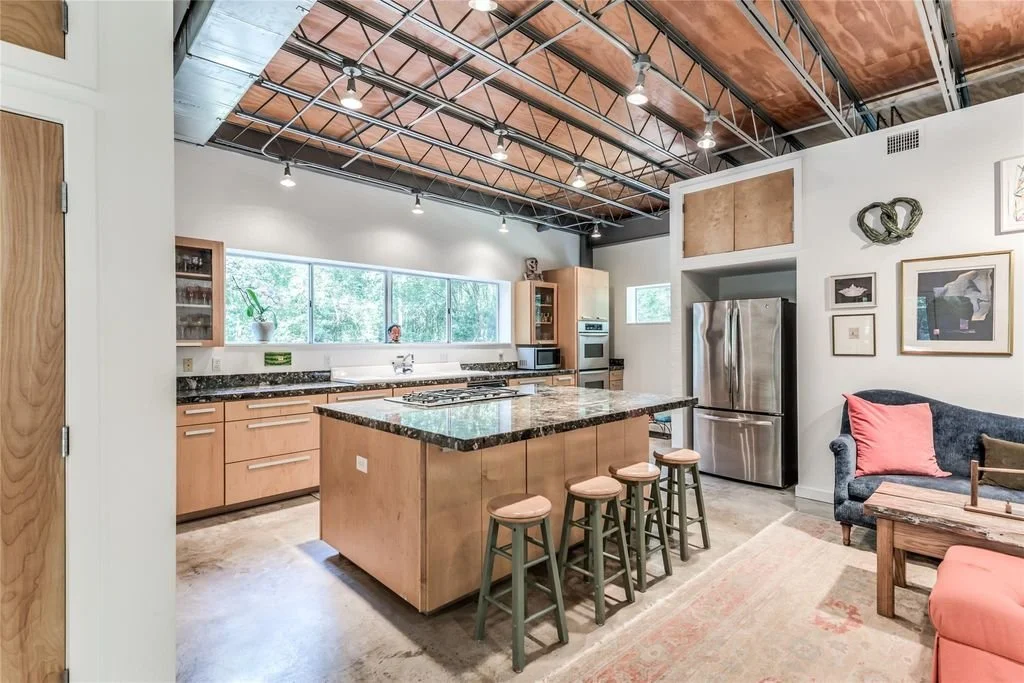
A warm family kitchen
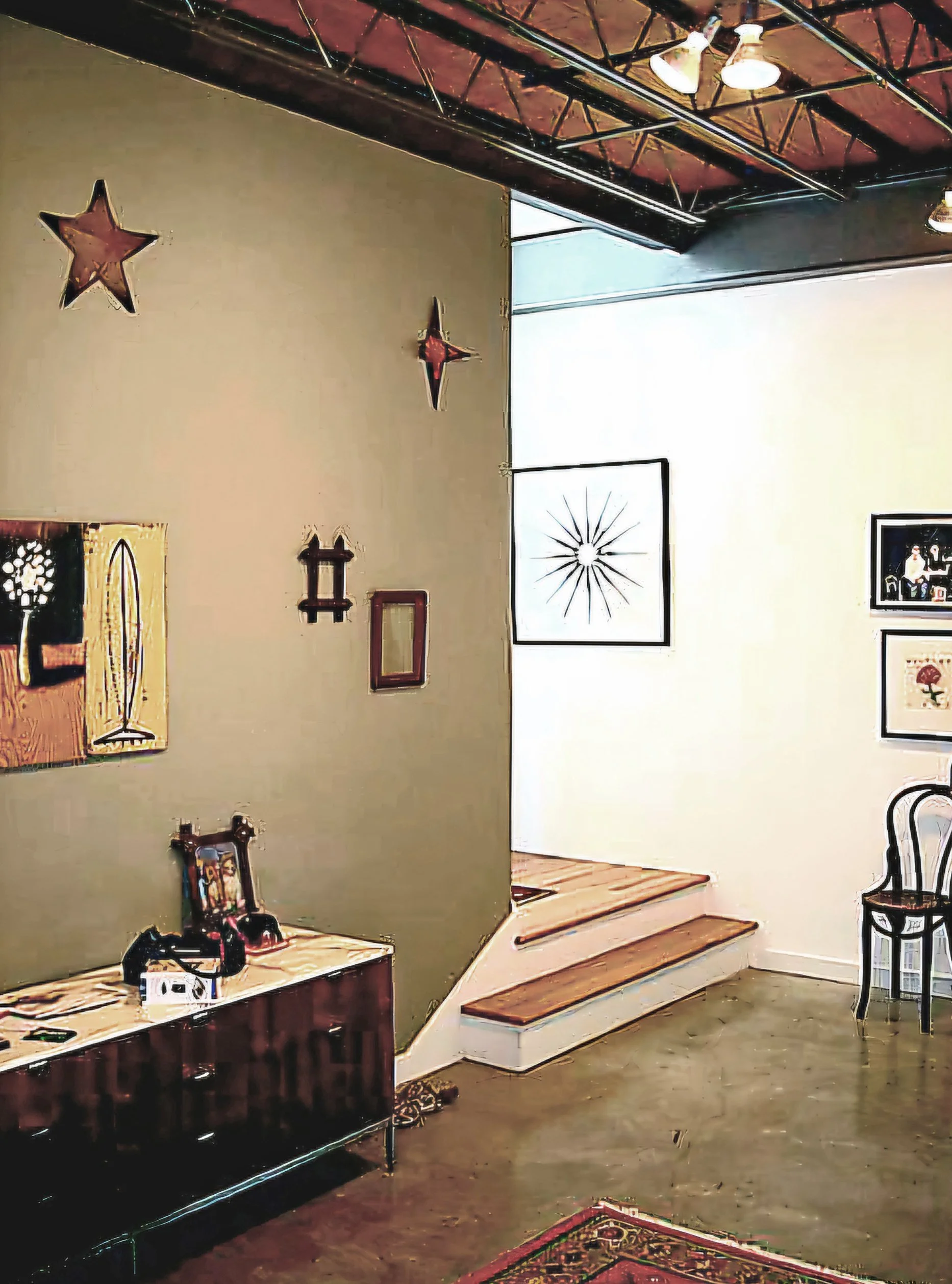
Elegant transitions
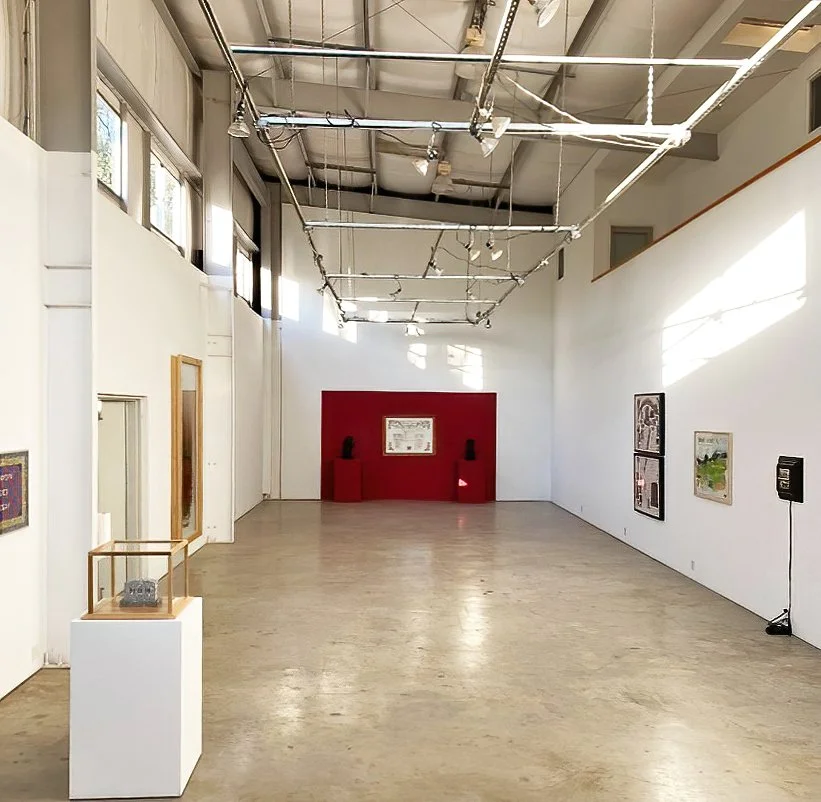
Flexible art studio and exhibition spaces
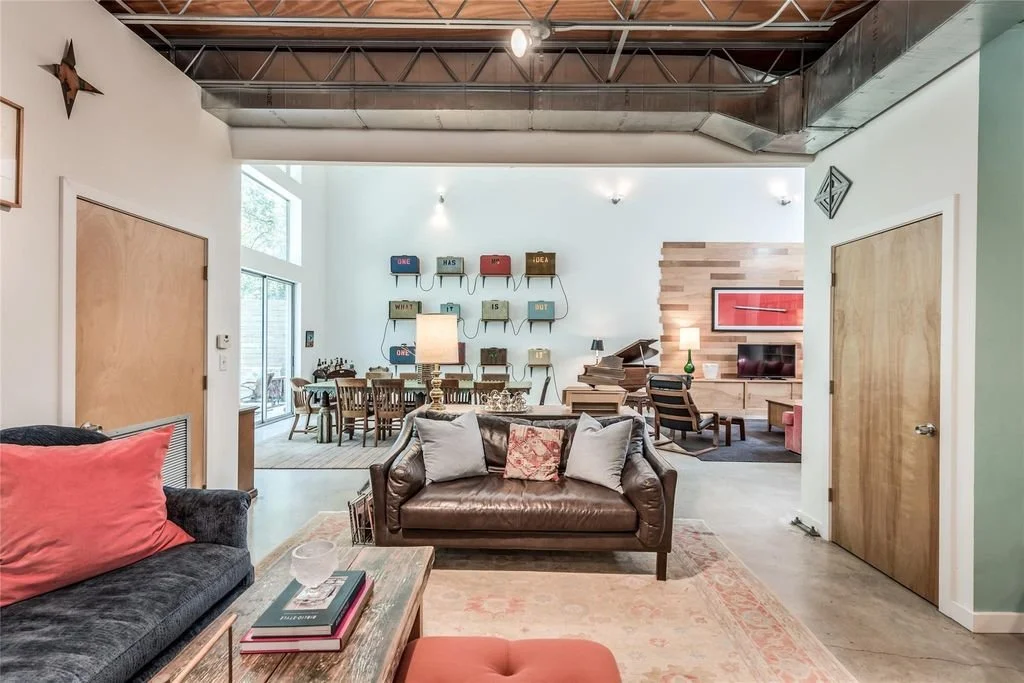
Flowing loft-style interiors
Knox exemplifies Category-5 values of strength, safety, efficiency, and durability…
1. Its flexible steel frame enables full separation between living and working spaces or, for professional social purposes, their combination
2. The long-span steel structure enables expansive spatial volumes suitable for making and exhibiting artworks, and door and window orientations (and sizes) unattainable by conventional homebuilding
3. As with other Category-5 projects, its exterior (wall and roof) is made of fire resistive, warranteed-durable materials
Case #3: Wicktree
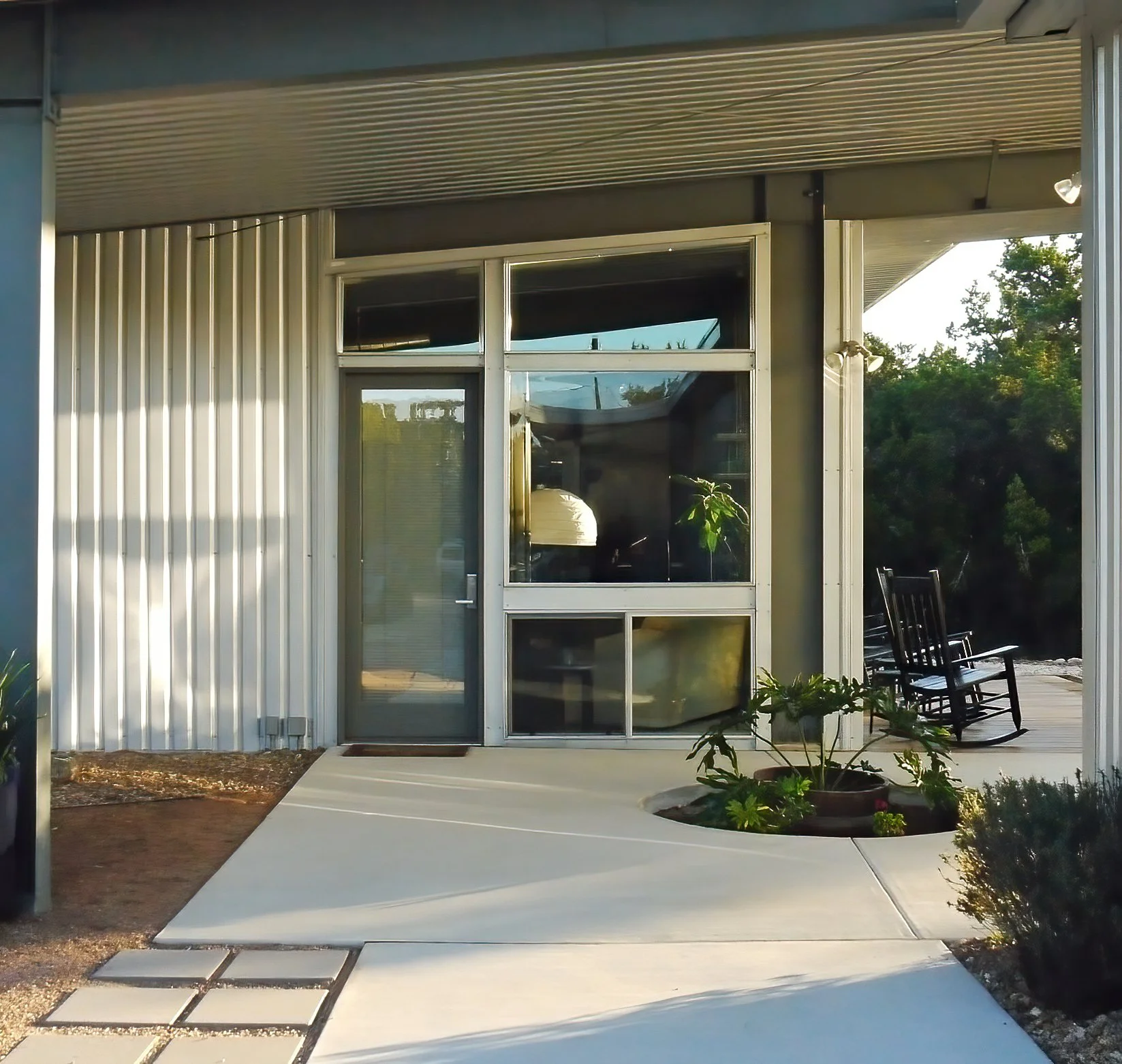
“Wicktree” brought Category-5’s structural advantages to the rescue of a suite of ancient, massively spreading oak trees
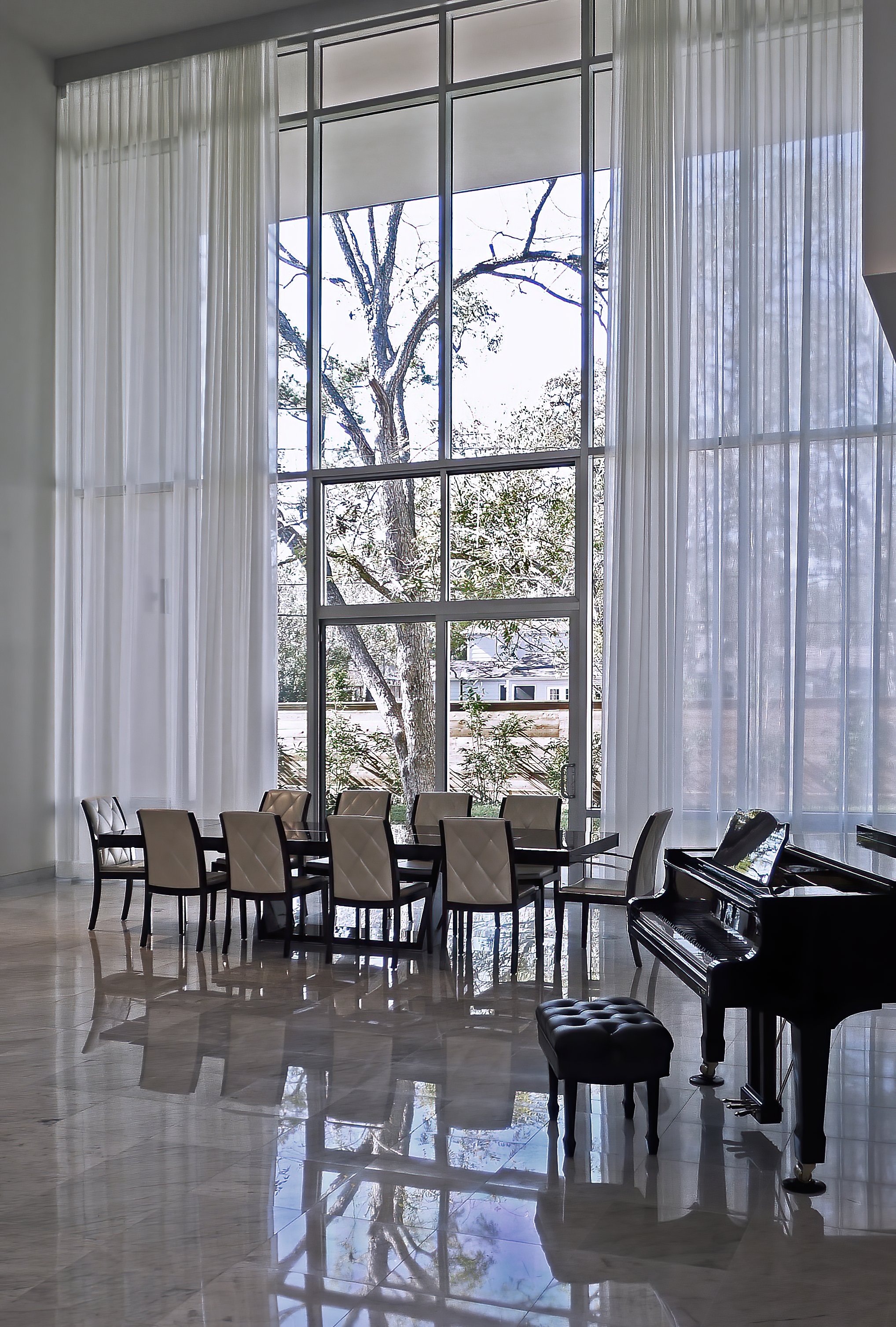
Wicktree’s widely spaced foundation piers, typical of our system, assured the survival of six historic trees as well as supporting our long span structural design. These features enabled large, double-height spaces as well as cozy family rooms. The exterior fits well into its premier residential neighborhood, with a conservative interior design attuned to the owner’s tastes. Yet the project’s technology reflects the most advanced approaches to thermal protection, with elevation and structural ratings keyed to defending from hurricane and flood risks.
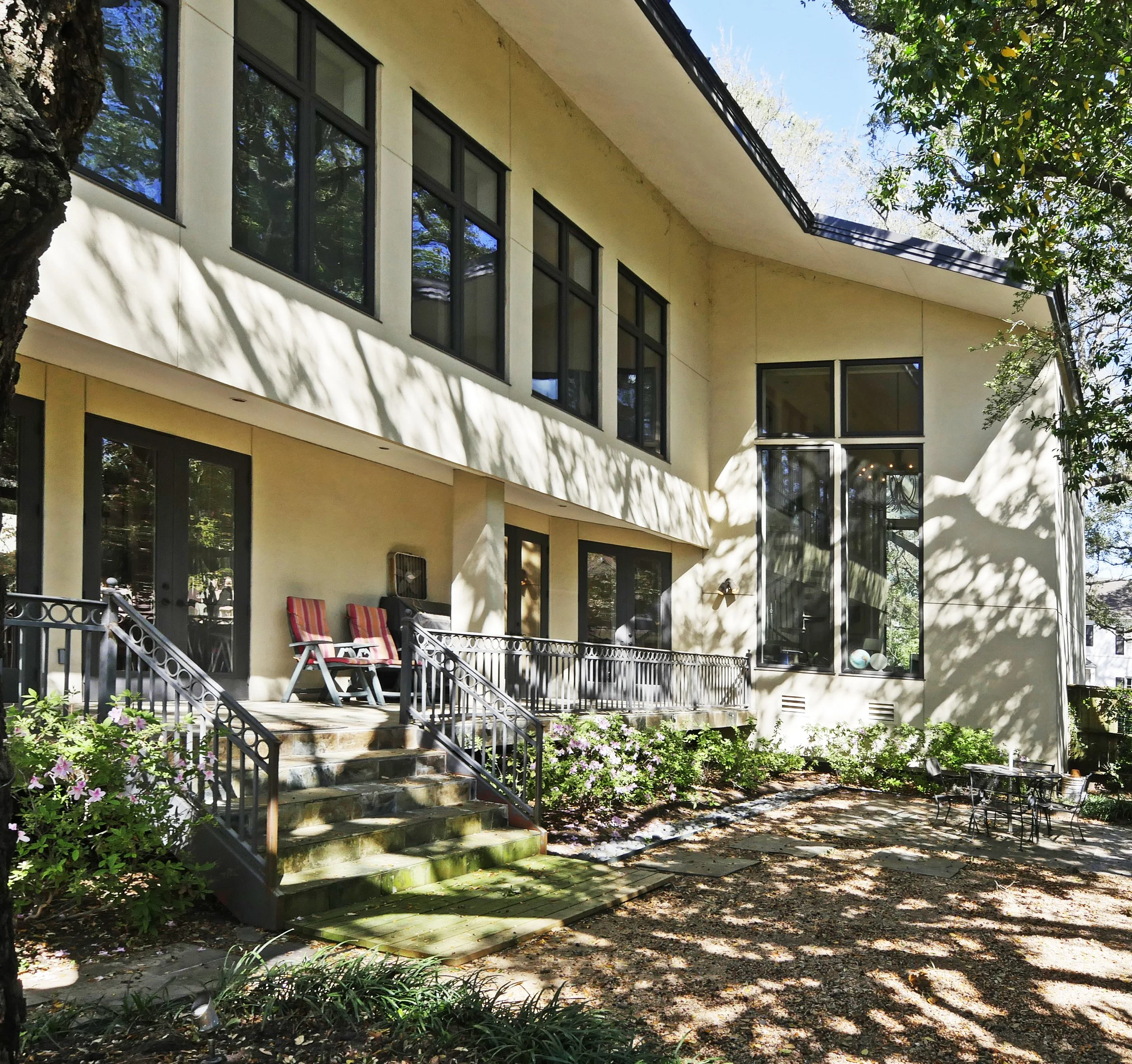
Deep eaves protect from sun and heat
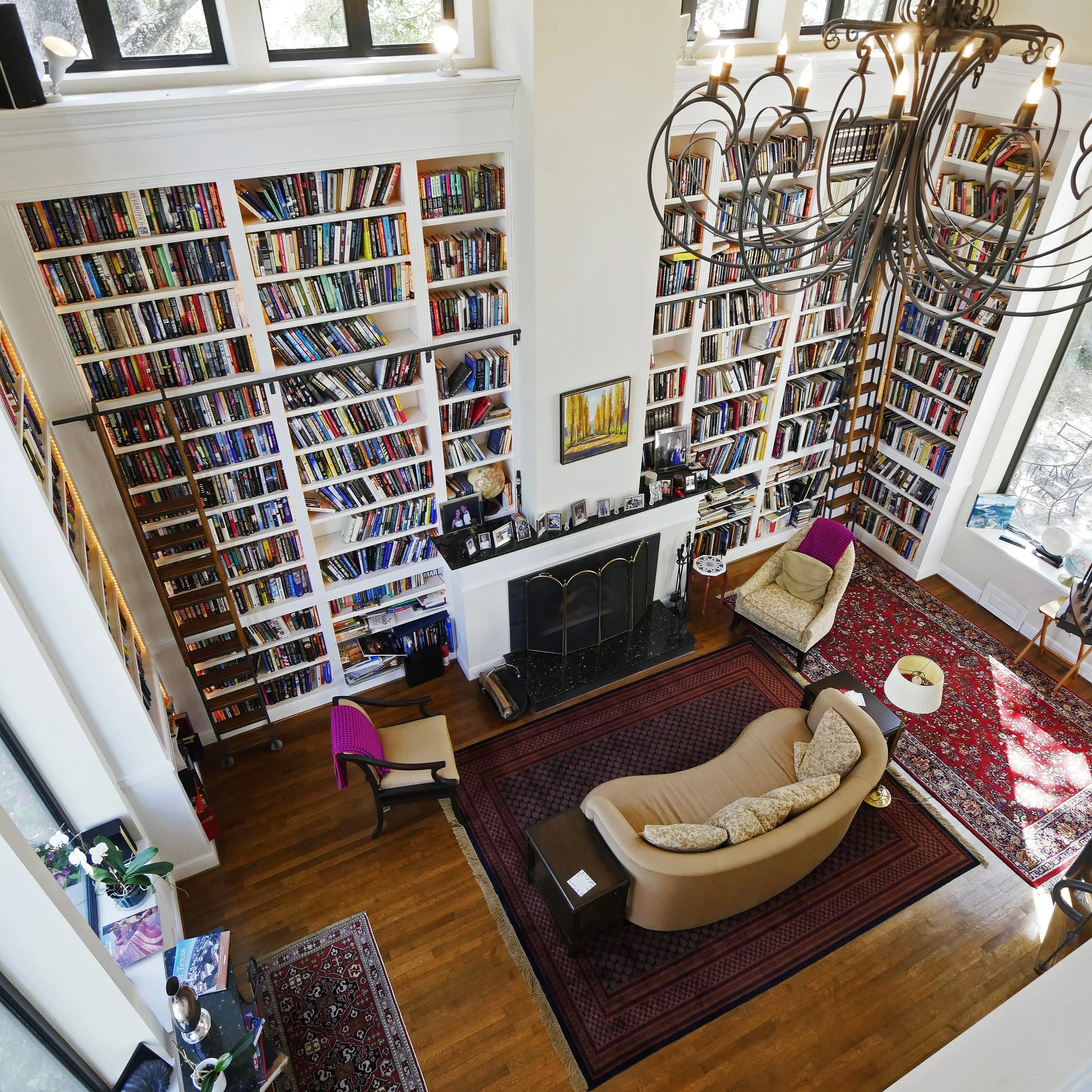
Long spans enable large spaces
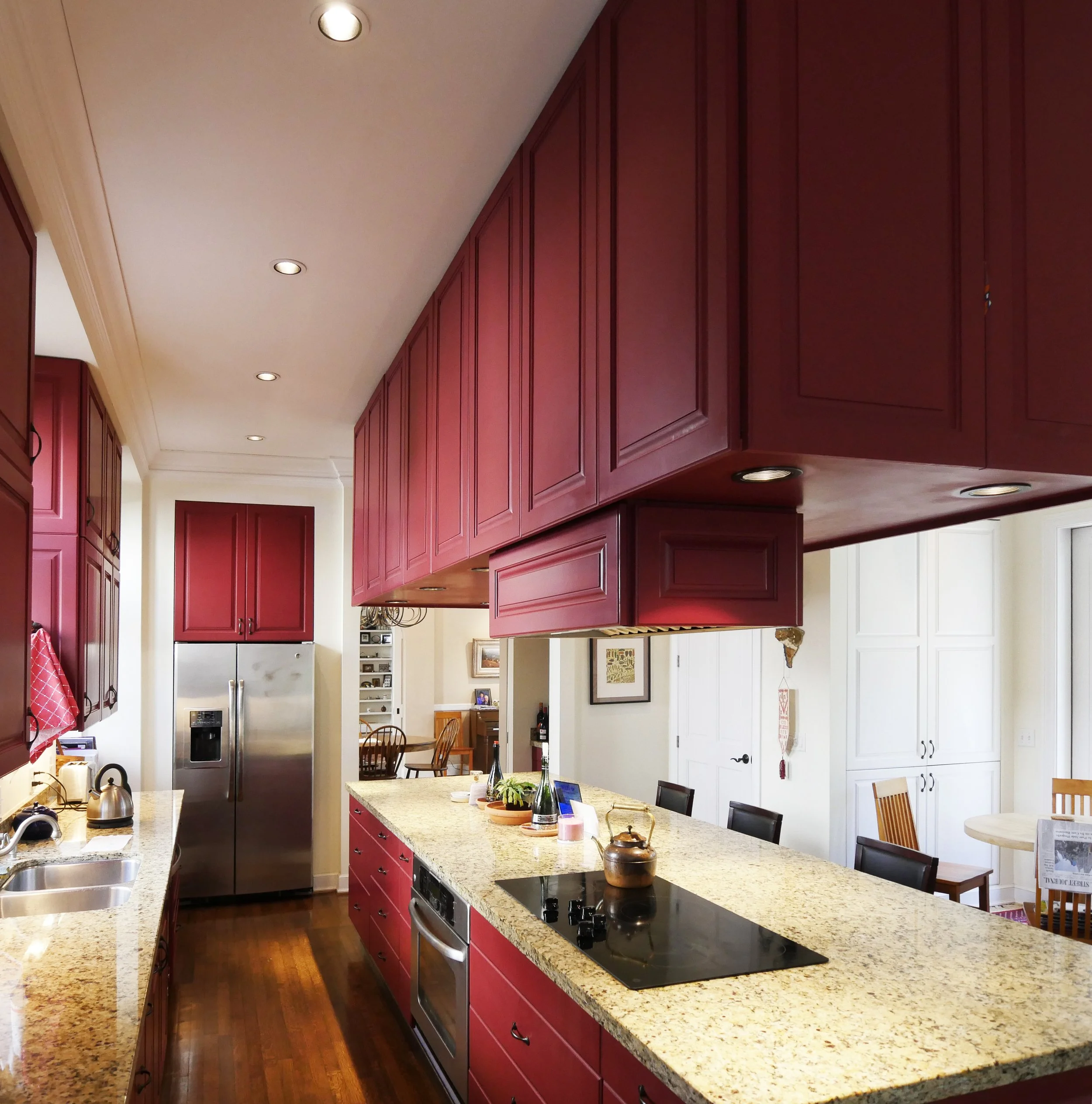
Intimate family kitchen
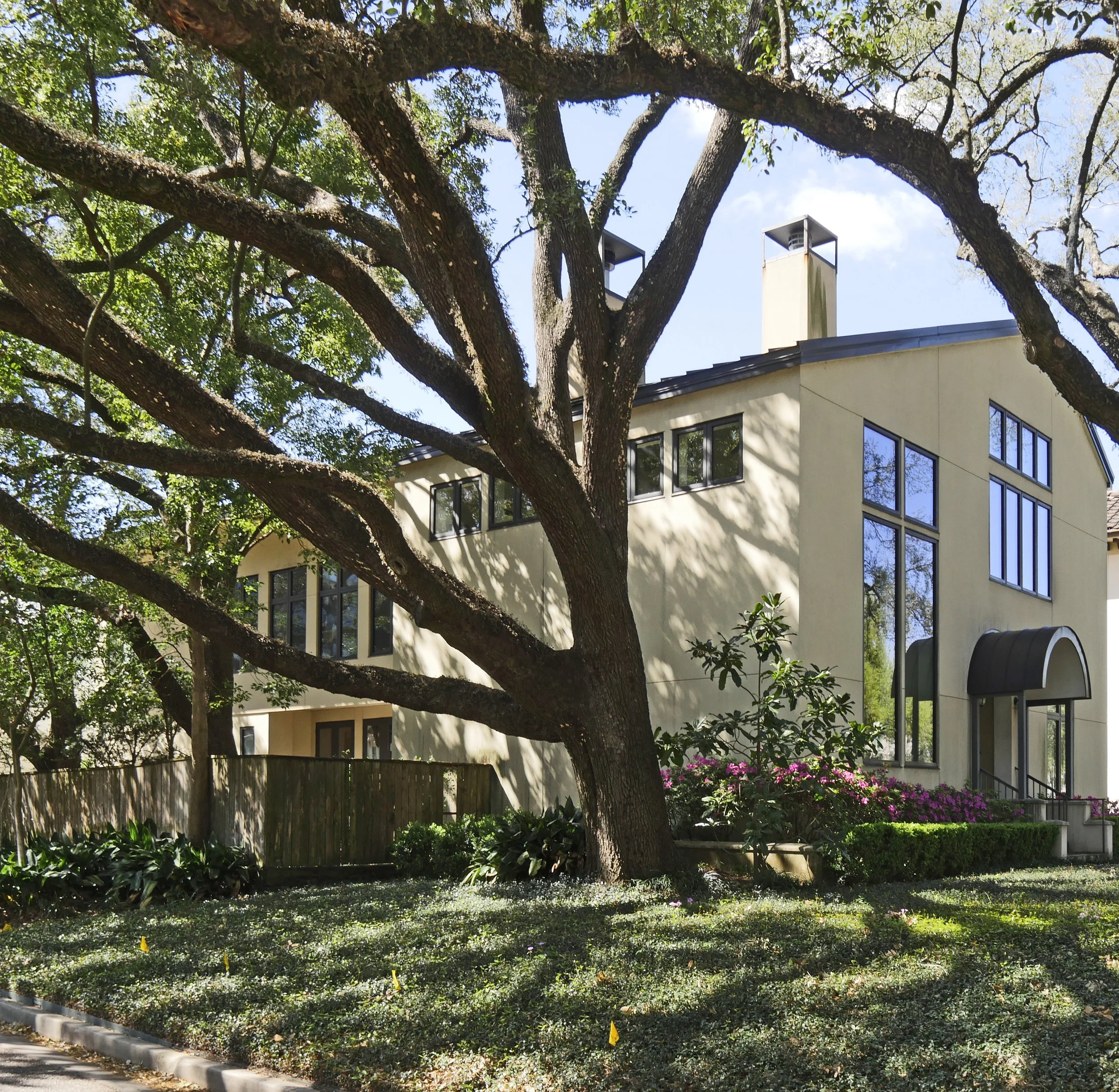
Historic trees, preserved and protected
Wicktree is devoted to conserving its location’s historic natural elements and defending from heat, storms and floods
1. A "Storm Strong" steel frame designed for hurricane force winds
2. Elevation far above flood level in preparation for “micro-burst” flash flooding
3. A long span steel structure assuring widely space foundation piers to preserve historic, massively spreading oak tress existing on the site
4. Integration with nature:
- Building orientation to enhance cooling airflows
- Roof slopes, eaves and building overhangs (totaling up to 8 feet) for maximum shading and to leverage ambient airflows
- Massively insulated exterior walls, with an additional Exterior Insulating Finish System installed against its coated steel sheathing
Compare
The strength, durability, thermal efficiency, fire and flood protection and general survivability of Category-5 stand in stark contrast to the fragility, impermanence, inefficiency and vulnerability of conventional homes — usually built, let’s face it, of “matchsticks and cardboard”
Category-5 is ready for the changes brought by higher temperatures and volatile weather
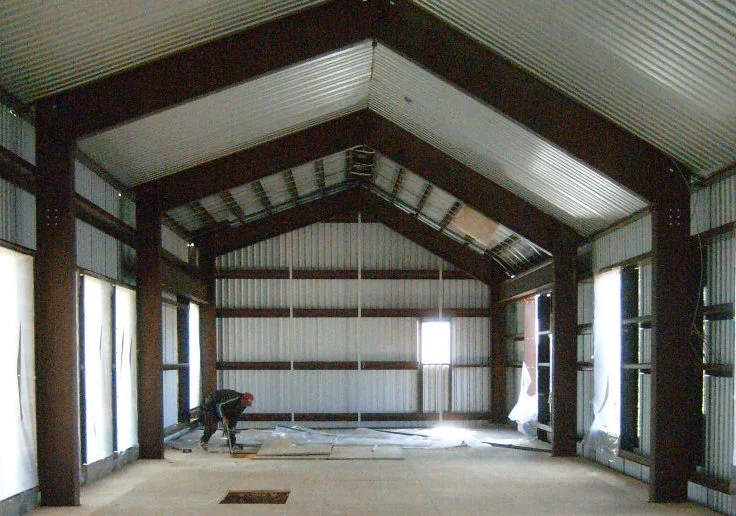
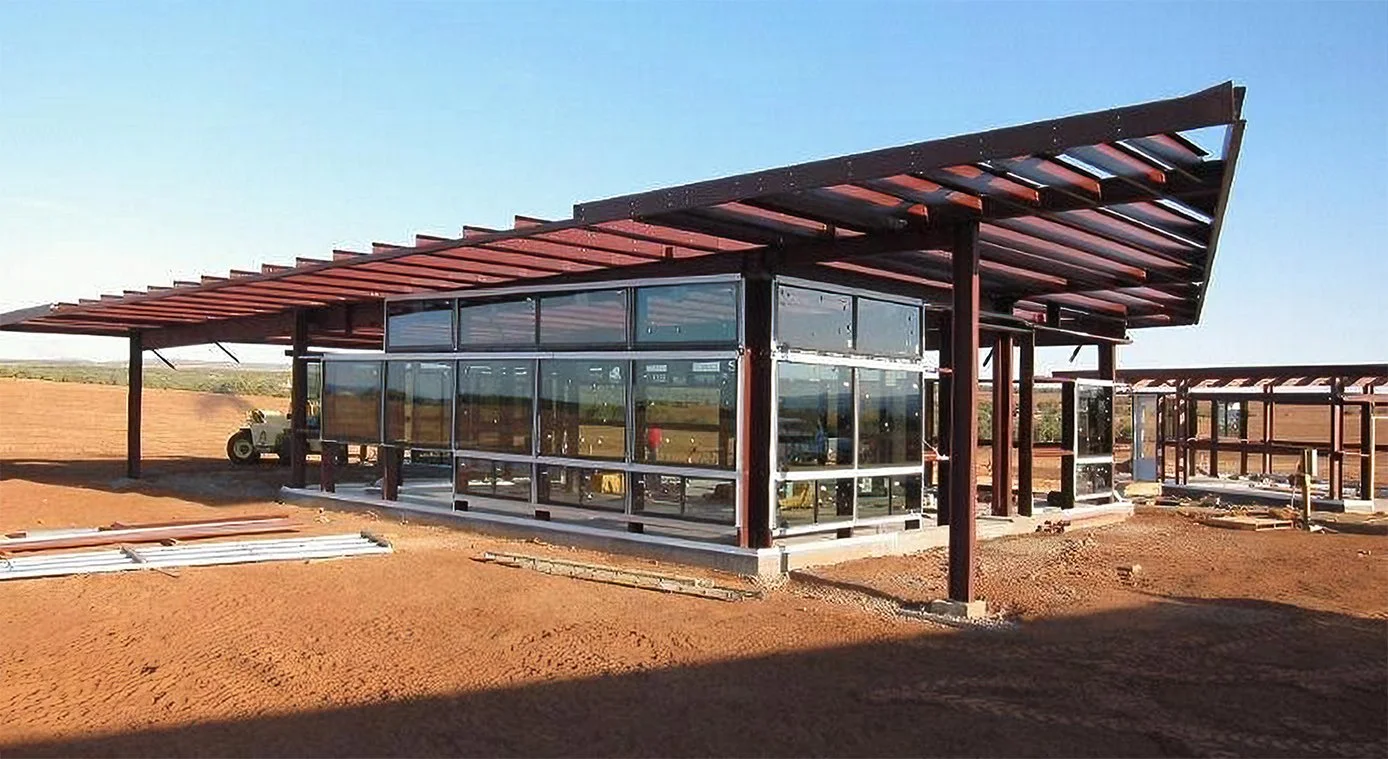
Strength & Survivability
Engineering to resist winds of up to Category-5 on the Saffir-Simpson Scale (157 mph)
Non-combustible, inorganic shells to defend against fire
Elevation to 60”+ to ride above floods and high water, depending on site conditions

Thermal and Performance Strategies
The performance of its systems and materials decides much about a home’s long term durability. Put simply: a house that’s difficult to heat, cool and maintain will wear out anybody’s patience and lead, eventually, to decay and demolition. Category-5 counters this possibility with,
- Massive insulation, including greater than R-48 in outer walls, and more than R-40 in roofs; these numbers far exceed the R-19 and R-30 ratings required by building codes
- Roofs configured with overhangs of up to 10 feet reduce sun exposure, generate cooling breezes and enable solar and rainfall harvesting
Category-5 and Climate Change
A building’s contribution to global warming and climate change comes from two sources:
- Emissions of carbon dioxide and other gases during the making and installation of its materials
- Lifetime energy used for building systems, like heating and air conditioning
The Category-5 system minimizes these factors by avoiding materials that emit large amounts of CO2 during their manufacture, maximizing thermal insulation and roof shade effects, and emphasizing durability.
Specifically regarding embodied CO2,
- We rely on steel columns carried by only a few widely spaced piers
- By comparison, due to its structural weakness, a wood-framed house requires a massive concrete foundation whose cement boosts its “carbon count” to 25%+ above that of a Category-5 (concrete contributes 10% +/- of all CO2 emitted annually, worldwide) - please see the graphs below

RADIANT BARRIER

BLOWN INSULATION

R-48+ WALLS

R-40+ ROOF

TOTAL EMBODIED CO2

WALL INSULATION

ROOF INSULATION

USEFUL LIFE

COMPLETE CARBON AUDIT
Durability
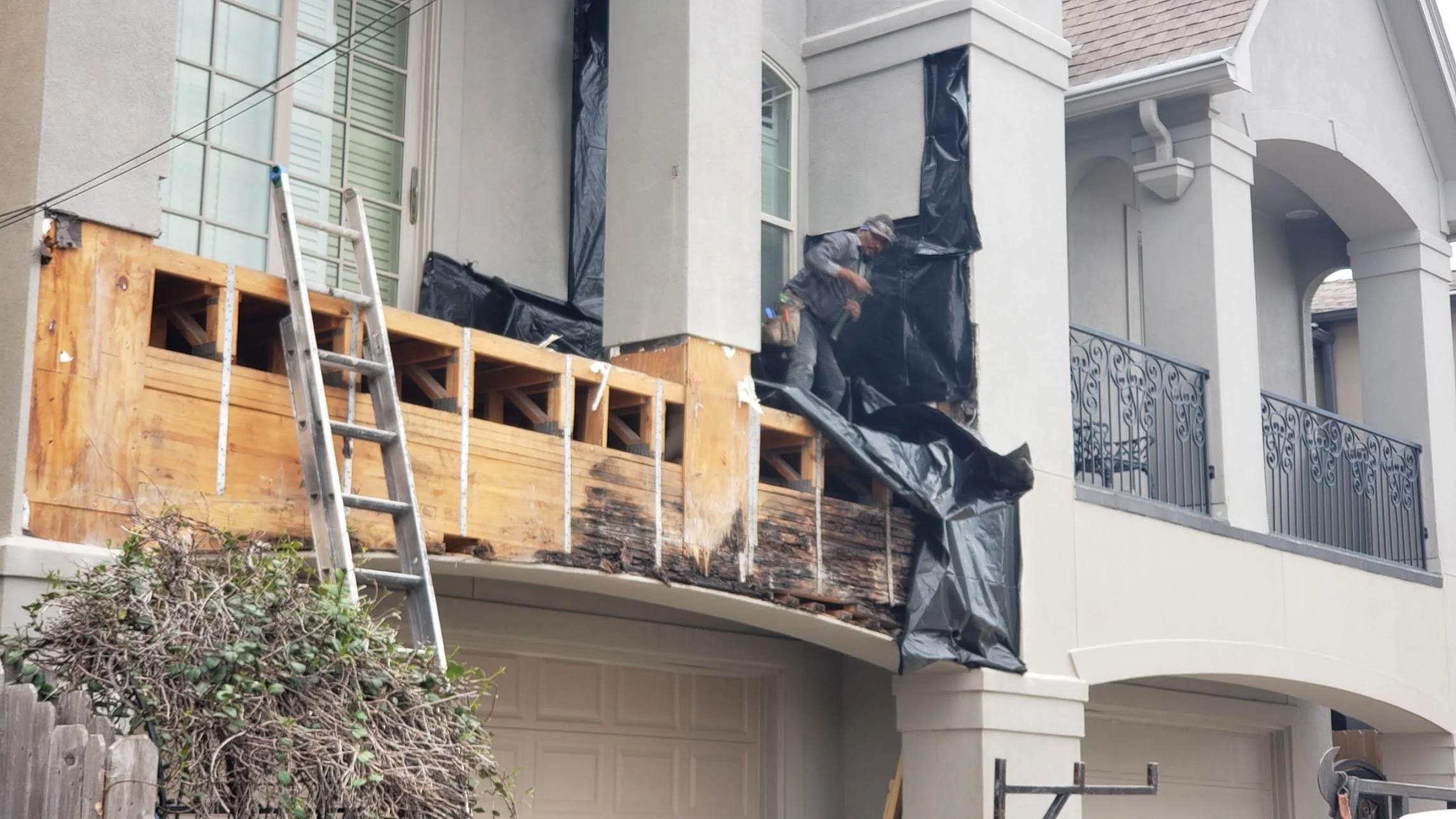
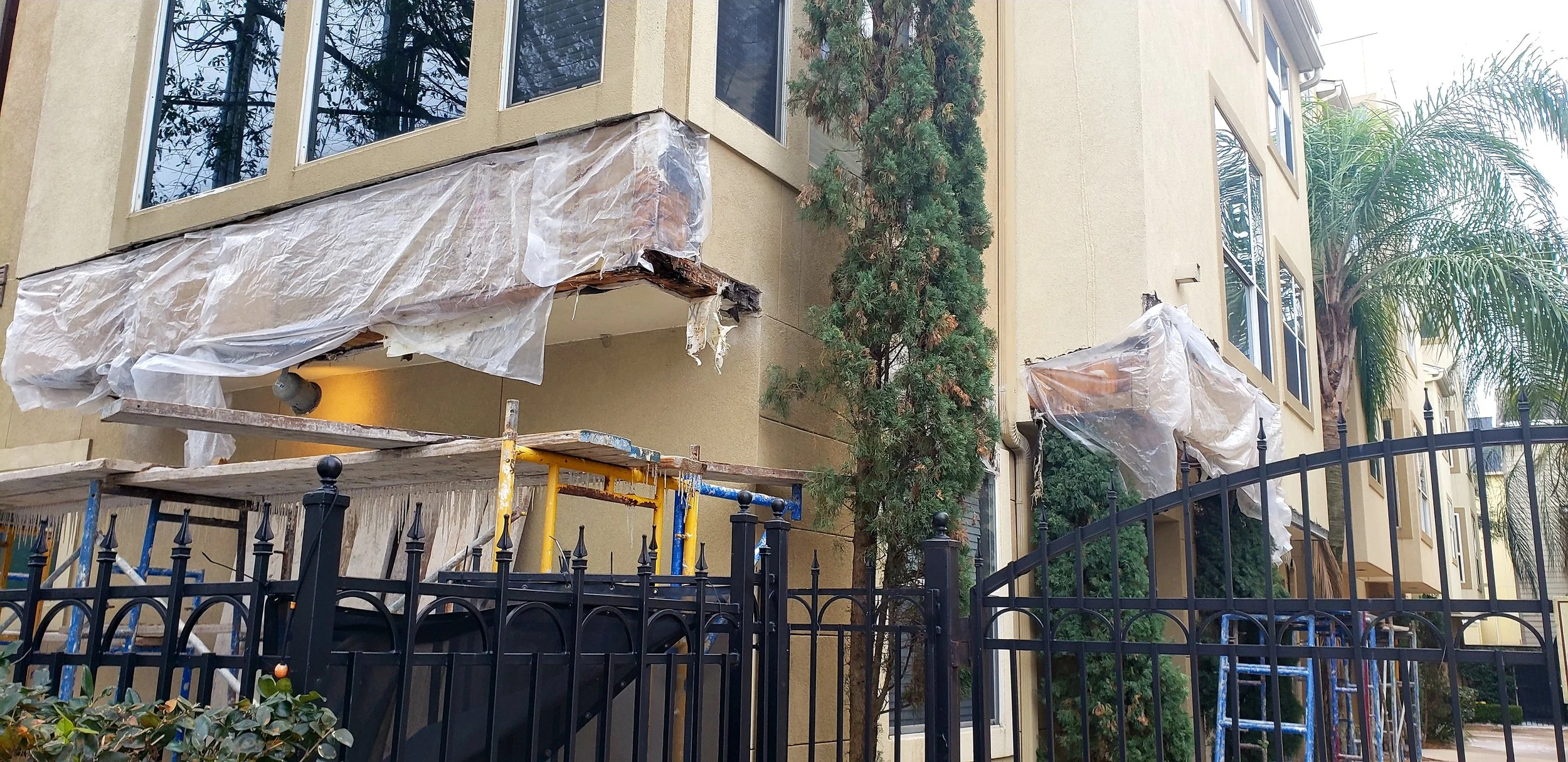
A house that’s hard to maintain will eventually become obsolete due to deterioration, inefficiency or cost. Because high heat and humidity are becoming common, and swings in temperature can prompt frequent water vapor-moisture phase changes in building envelopes, structures without advanced specifications face dire outcomes.
The pictures below show the performance of conventional wooden buildings during climate change. Category-5s’ exterior materials are selected specifically to counter this hazard, and usually carry long manufacturers’ warrantees. Interior organic materials are kept 10”+ away from exterior walls.


Where to Build a Climate Defense House?
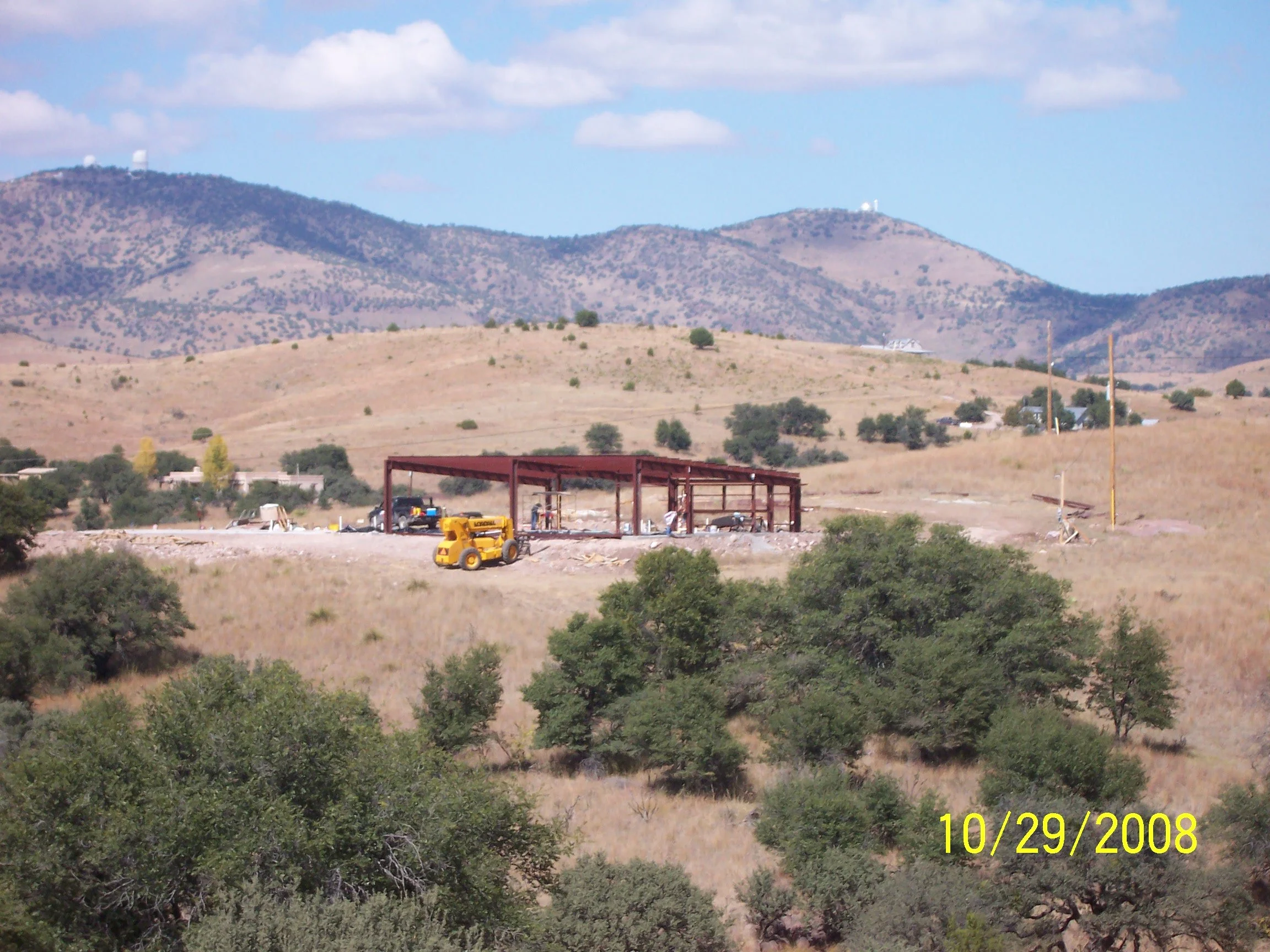
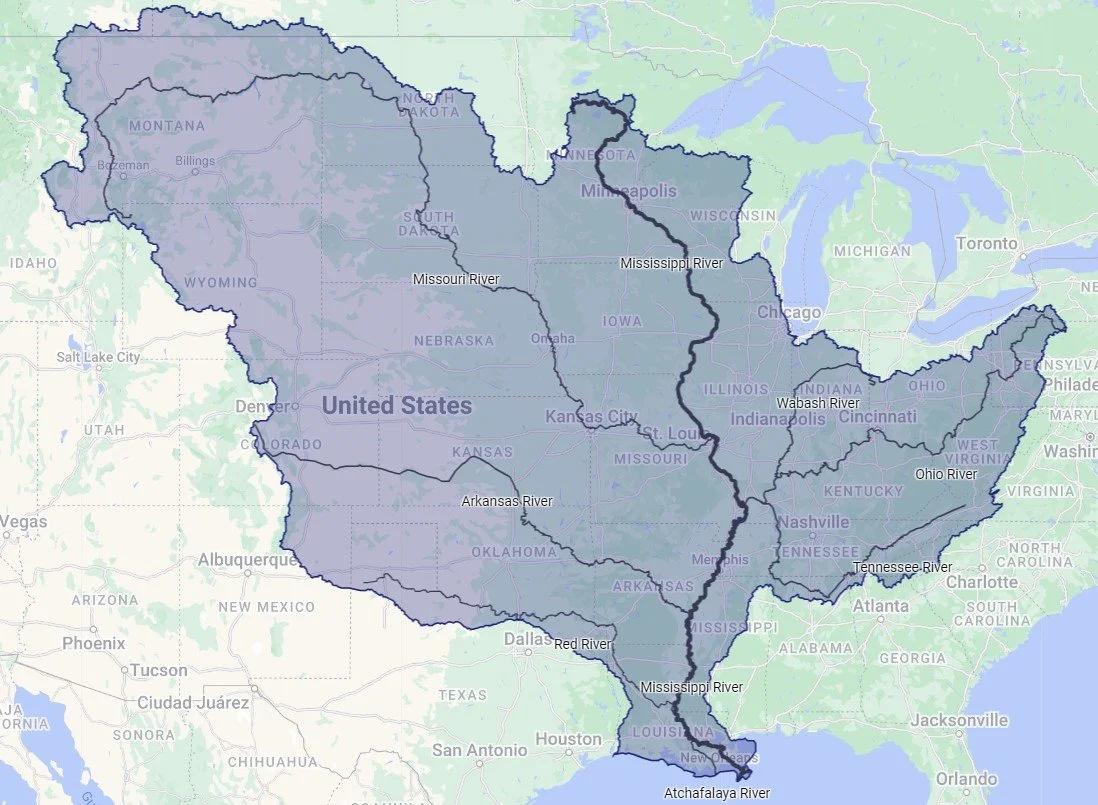
The Cat-5 is suited to any urban, suburban or country location that’s likely to face fires, floods, or major storms, or where the local climate promotes mold and decay. It’s especially well-suited to ocean and riverfront locations, and virtually anywhere in the Mississippi and Missouri watersheds, as well as arid areas in the west and southwest US.

Client & Partner Contact Form:
ABOUT CATEGORY-5
CATEGORY-5 is a consortium of designers and engineers building strong, durable and beautiful residences across America - houses built for the future not the past. Based in Houston, we’ve seen some of the worst that nature can dish out, and know what it takes to come out the other side.
“HIGHER THAN THE FLOOD, STRONGER THAN THE WIND”
713 . 398 . 5207

FLUKE STORMS
RISING WATER

FLOODED TOWNS

LOSSES
FIRES IN THE CITIES

BURNT TOWNS

MATCHSTICKS

EMBODIED CARBON

MOLD

MOLD